
what does local cultural leadership look like?
The Leap works to increase participation and leadership in areas with low cultural engagement by putting communities in charge of their own cultural activities. To explore these dynamics, The Leap (Community-Led Research Lab) teamed up with independent evaluator Clare Daněk, the Yorkshire Policy Innovation Partnership (YPIP), and York St John University. Our goal was to demonstrate the value of cultural leadership in less engaged communities and influence broader, long-term support for community-led culture.
" This participatory research project argues for a more ambitious cultural policy, one that doesn’t seek just greater cultural engagement but instead aims to grow, transform and democratise cultural leadership within all our communities. This is vital to enabling confident and cohesive communities, rich in opportunities and in which everybody can belong and flourish.”
Professor Matthew Reason, Director, Institute for Social Justice, York St John University.
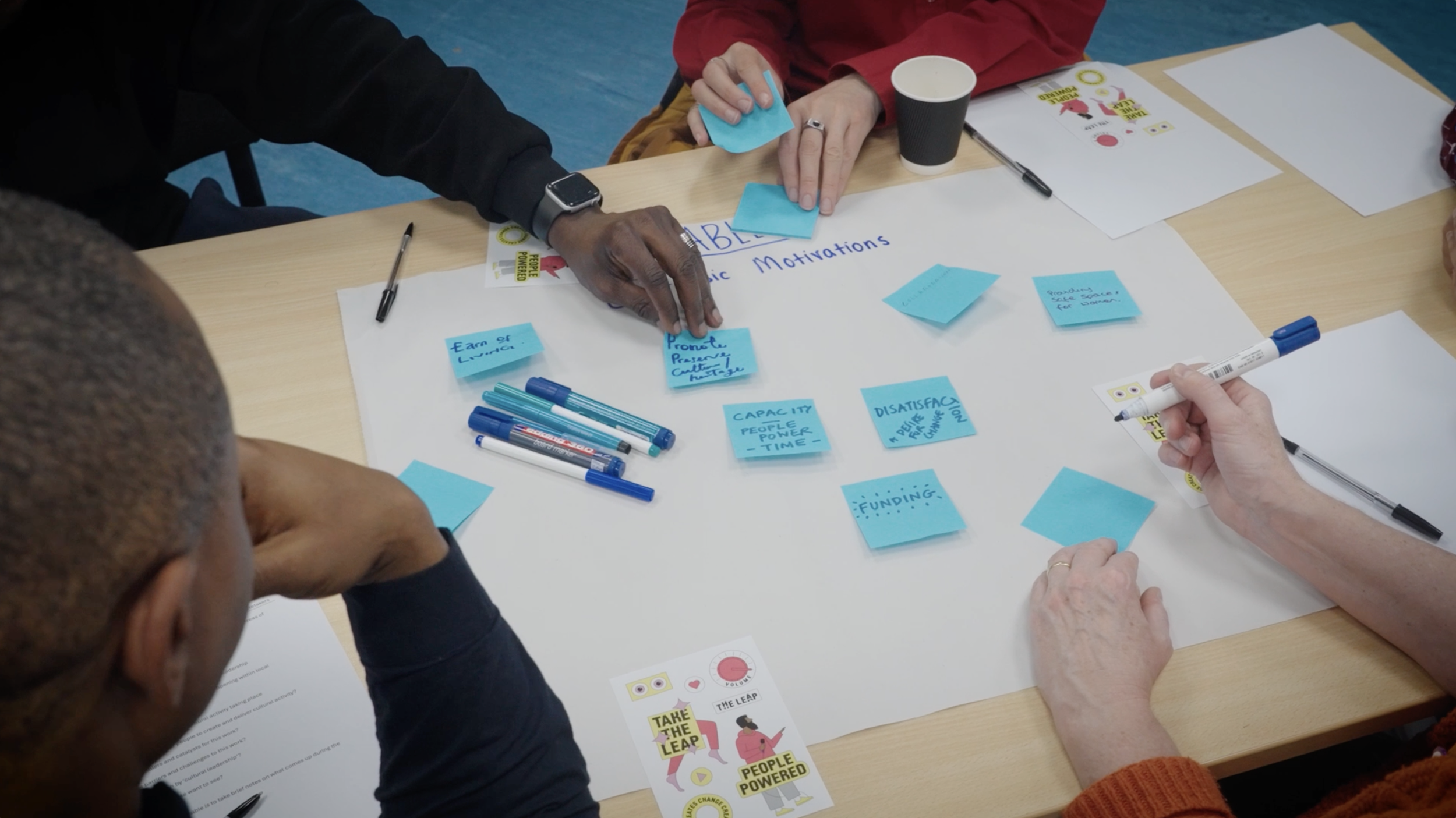
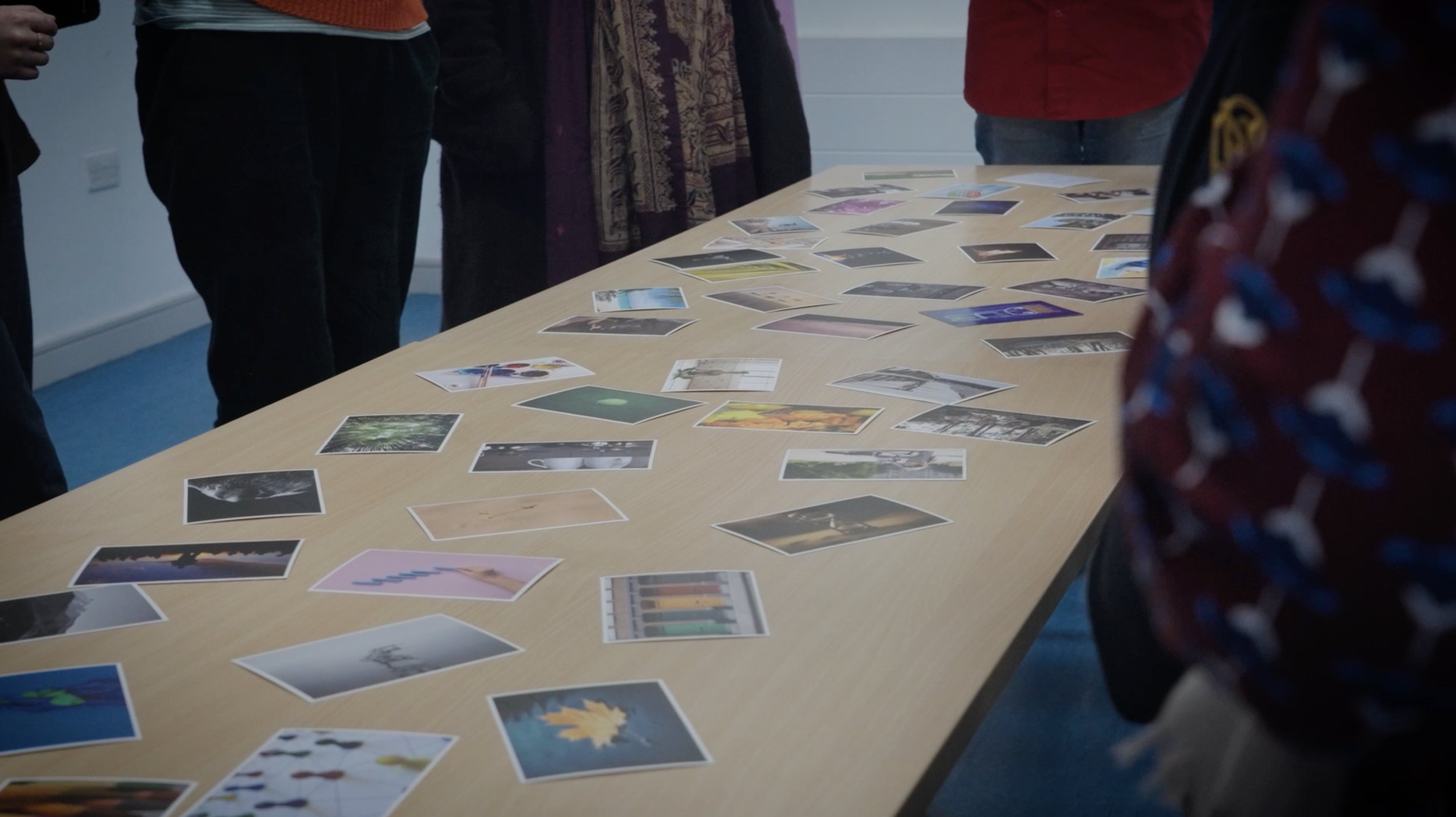
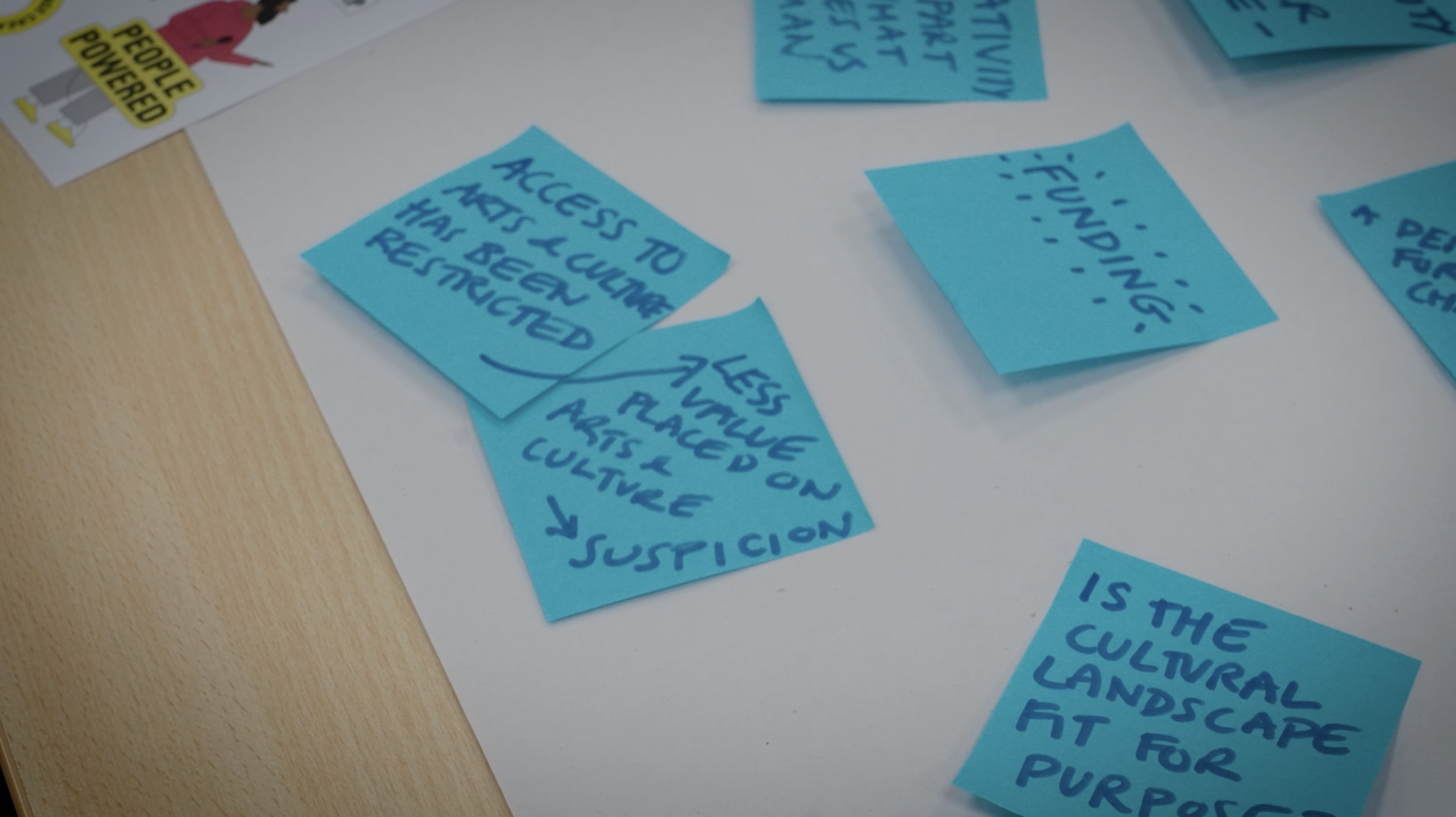
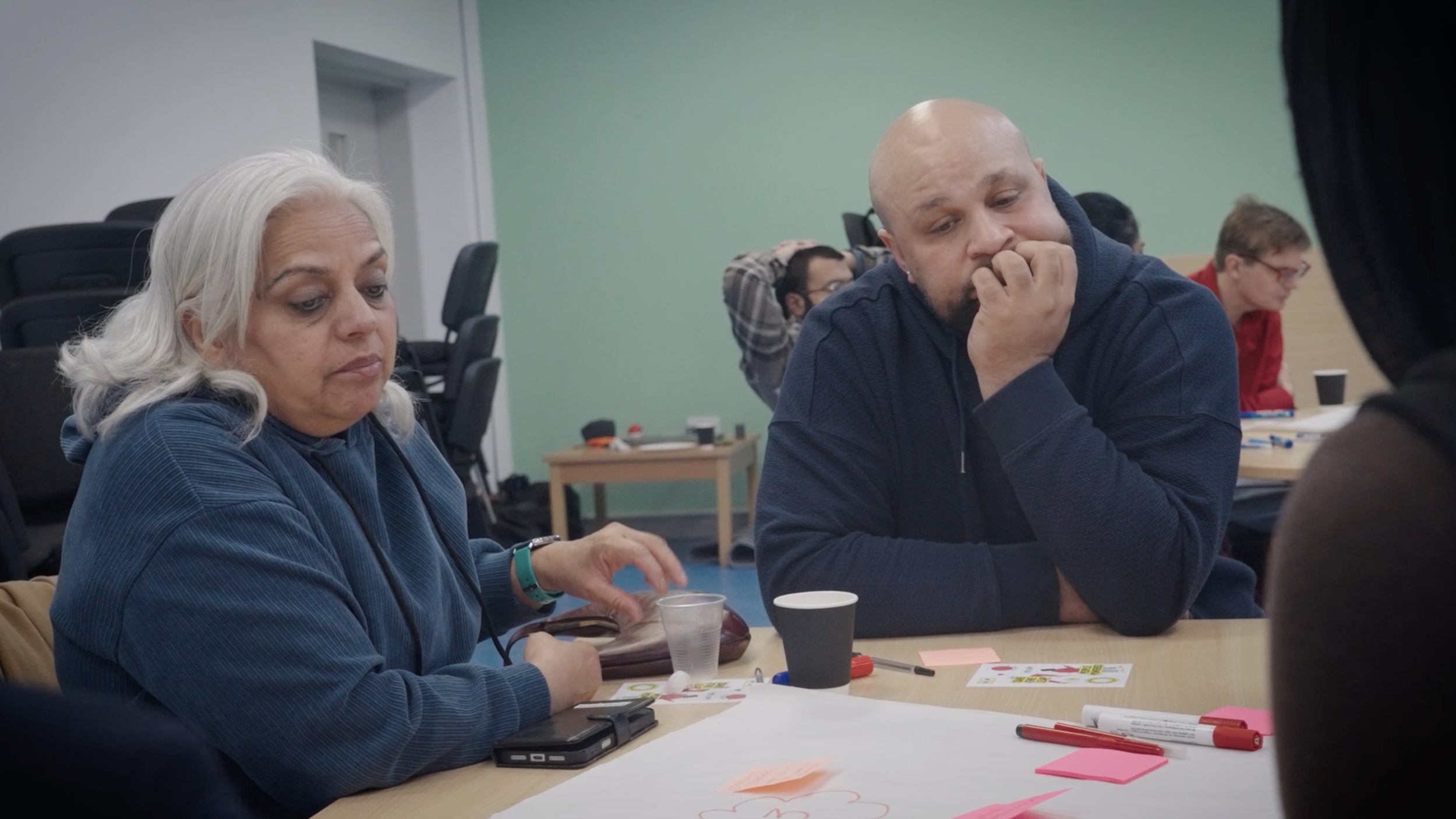
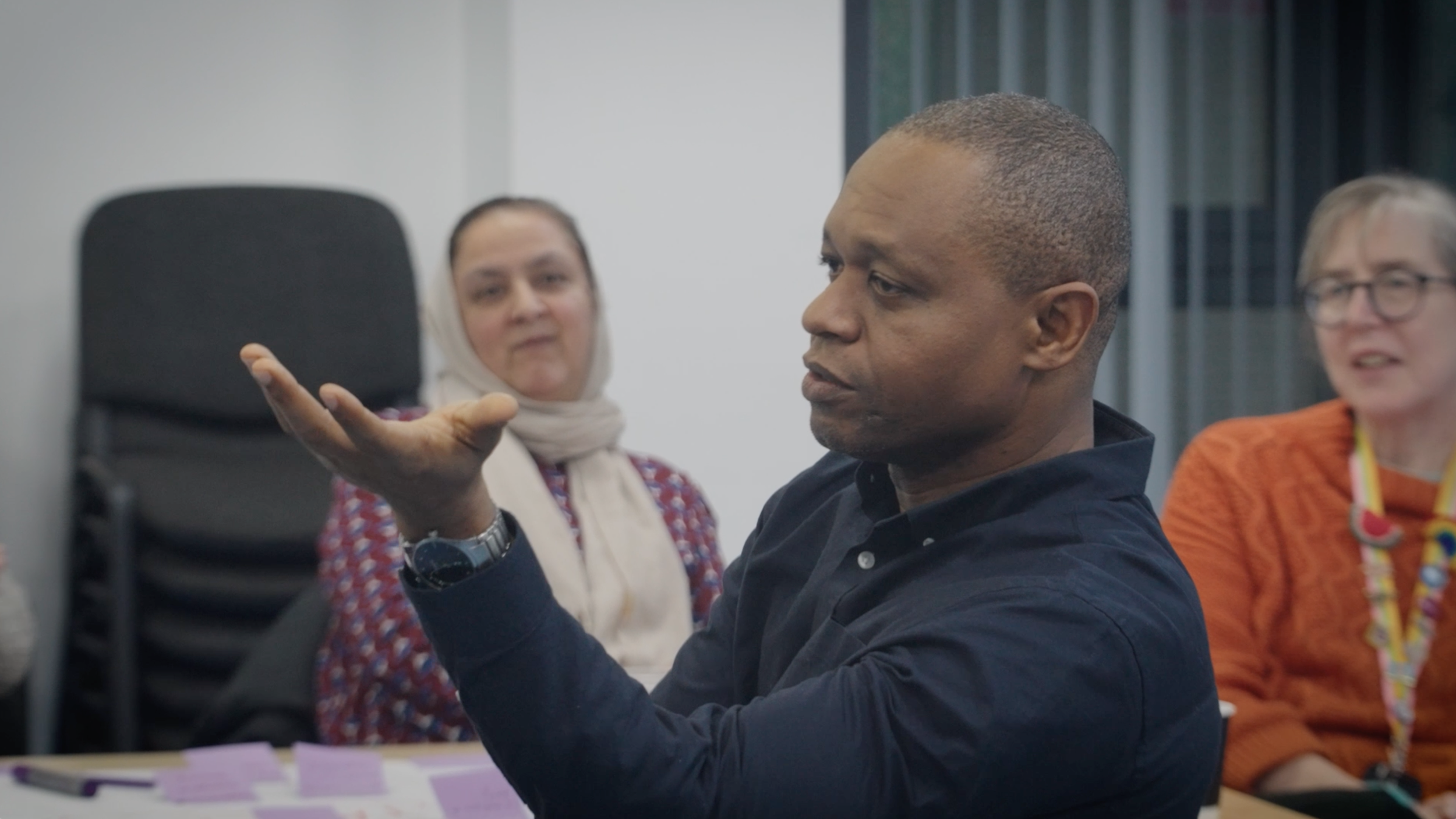
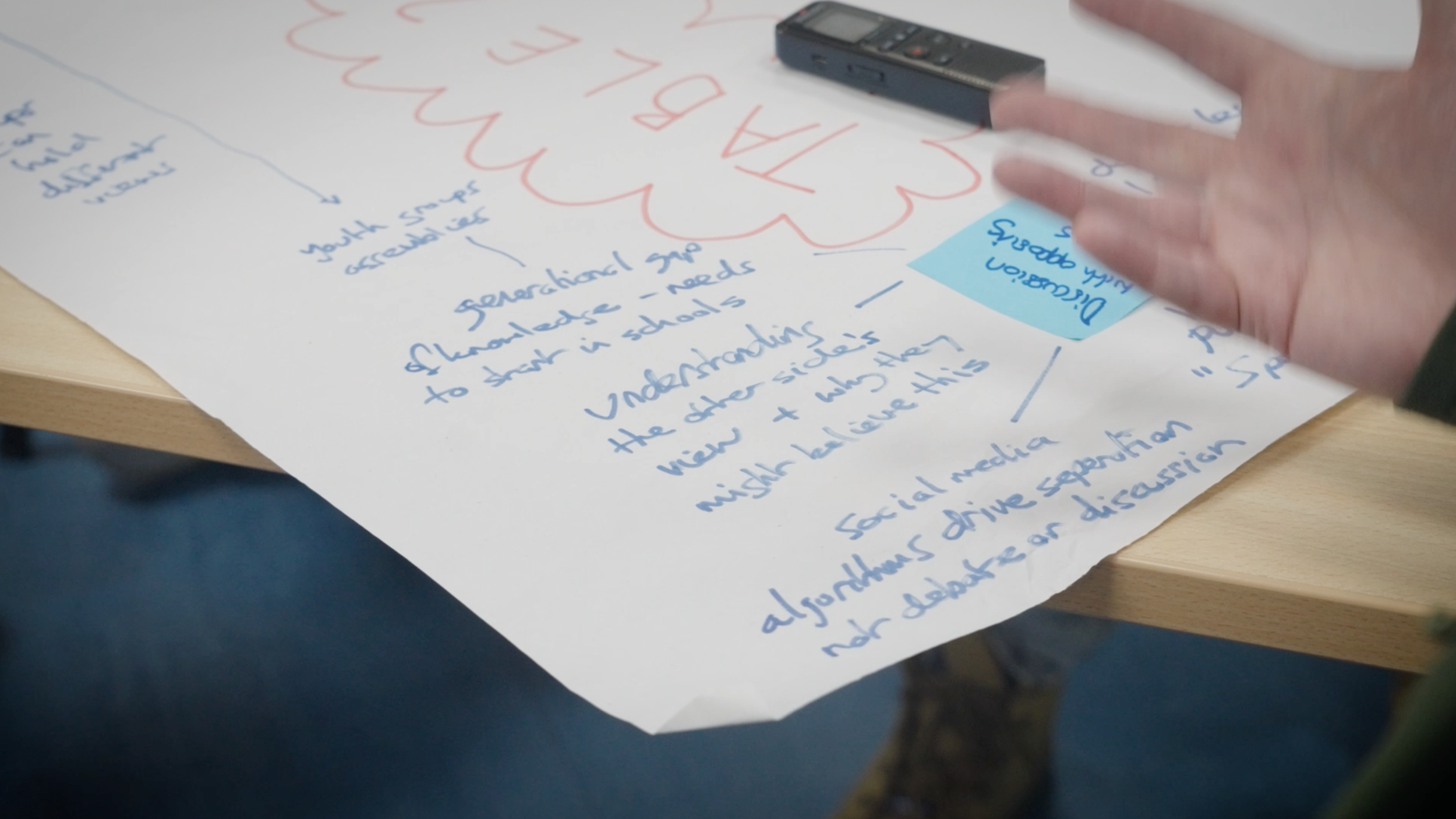
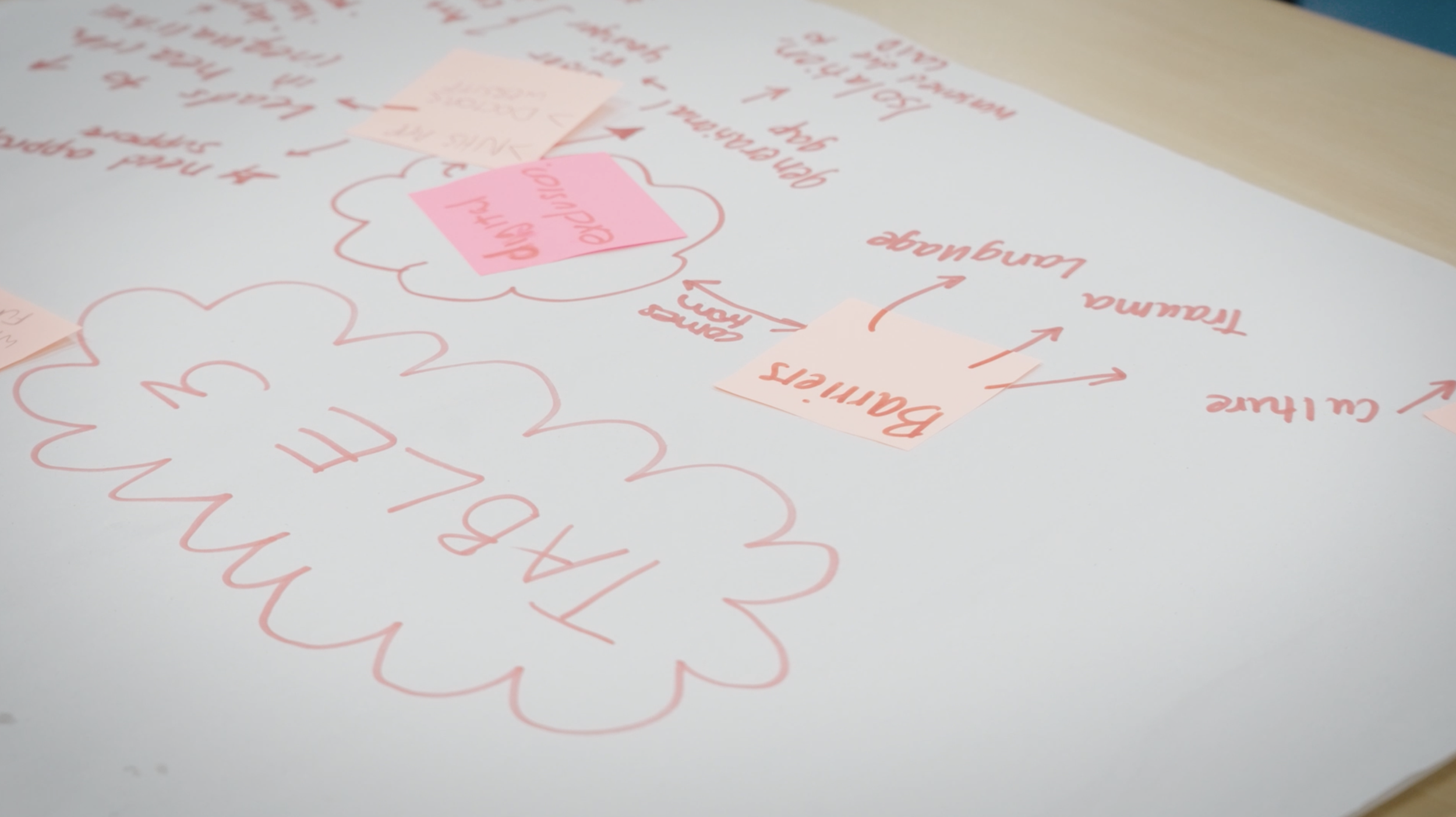
Using people-focused methods—including interviews, workshops, and citizens' assemblies—the project gathered insights from individuals and communities on their motivations, barriers, and understanding of cultural leadership.
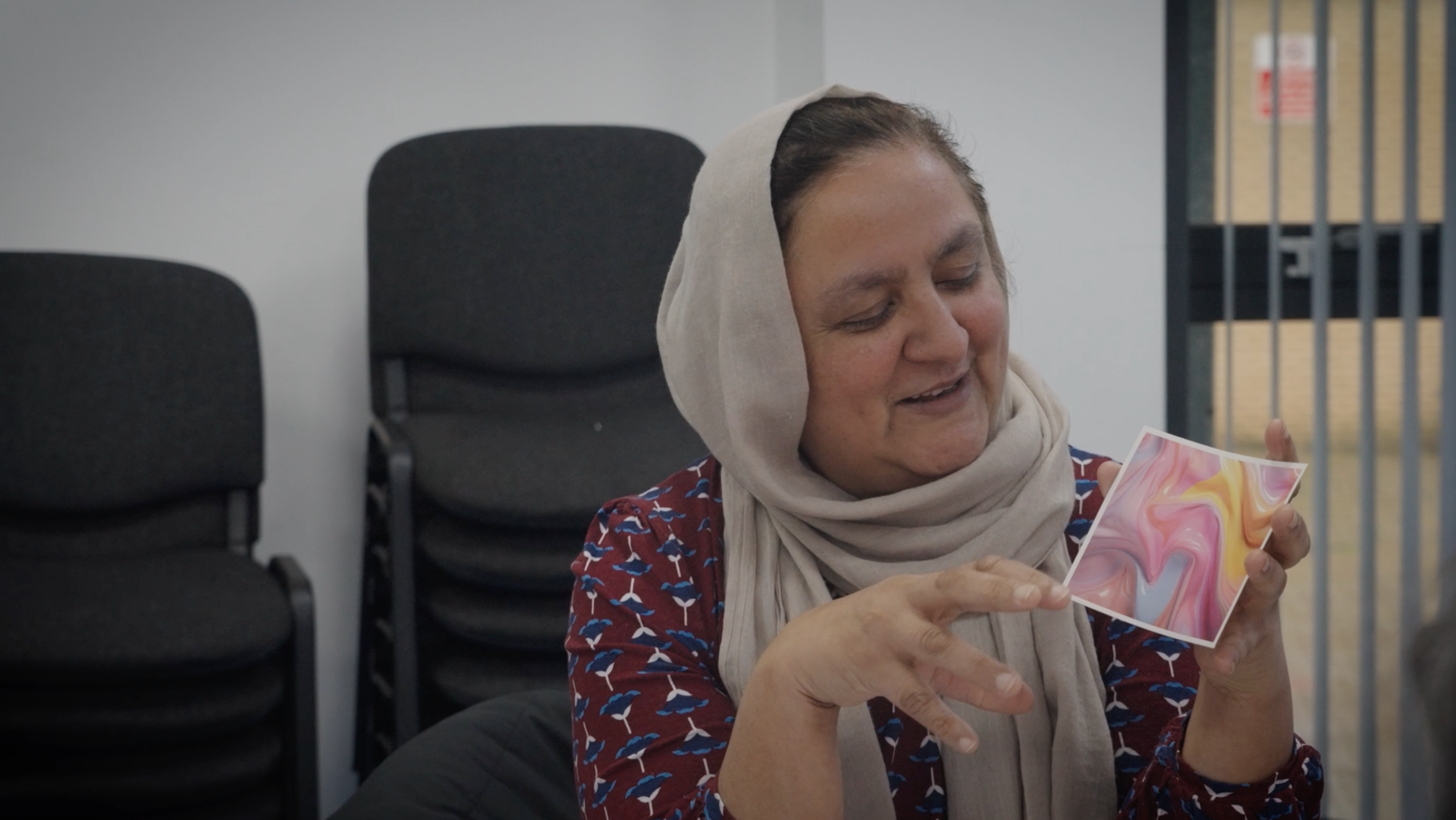
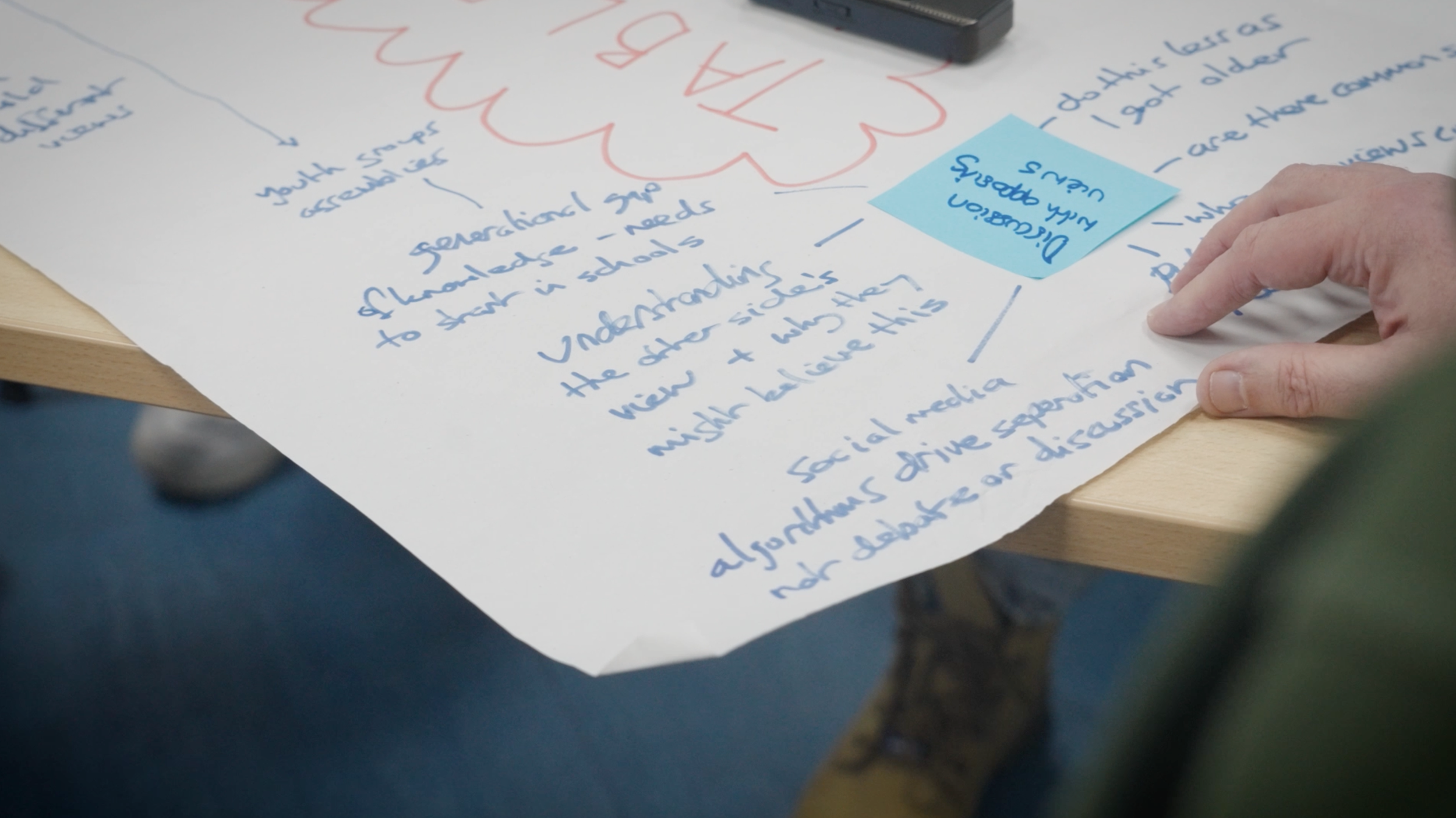

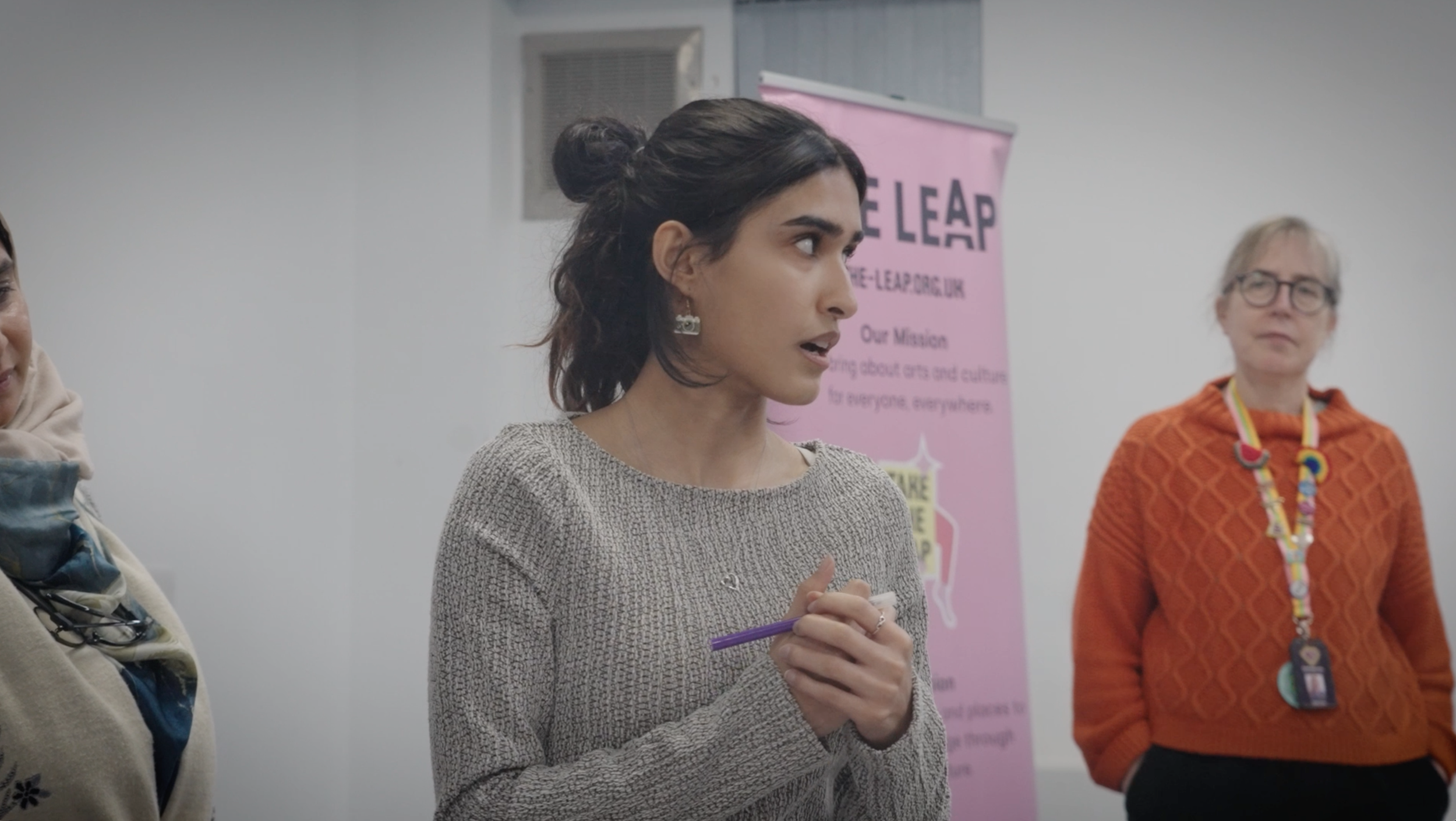
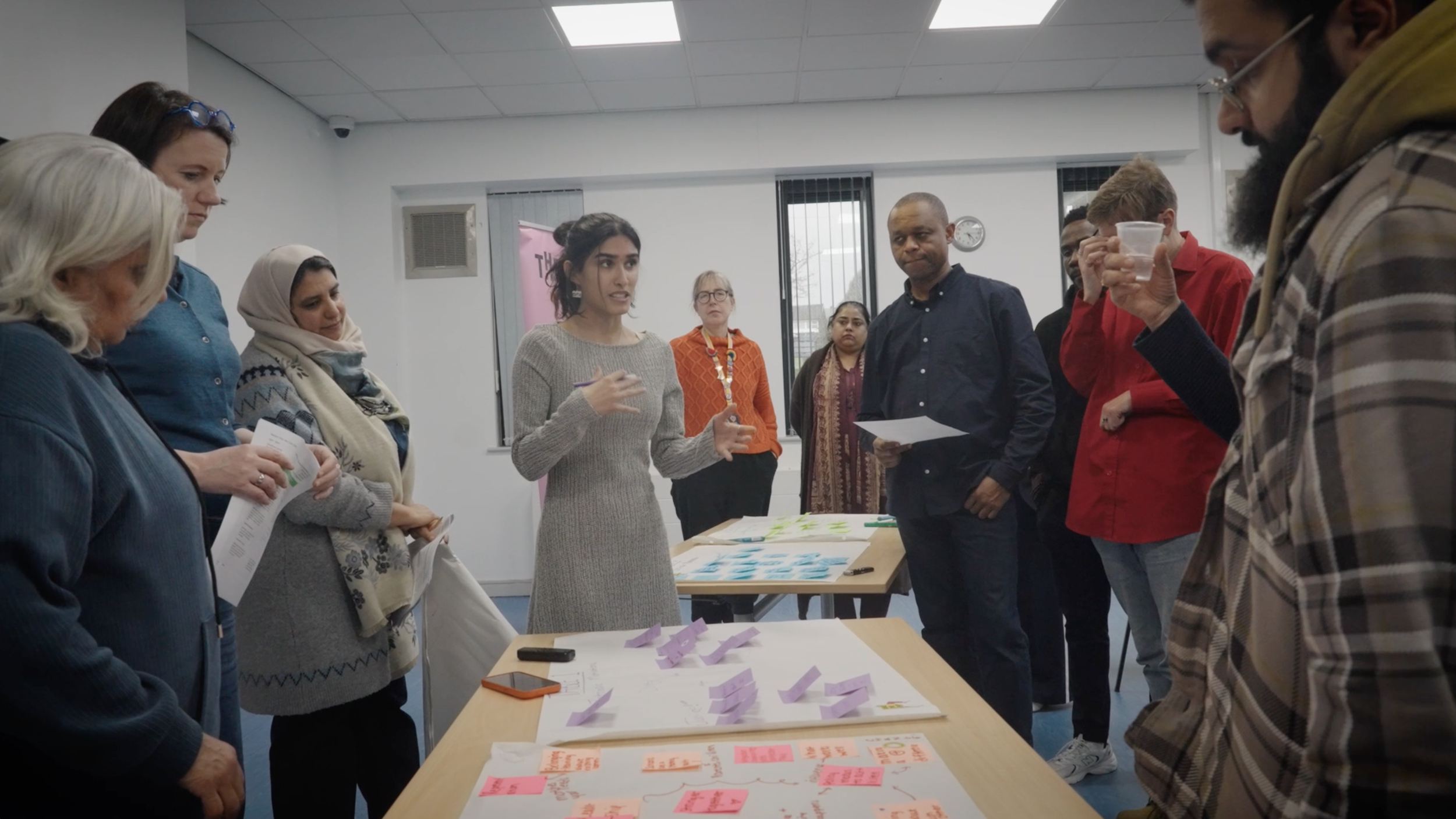
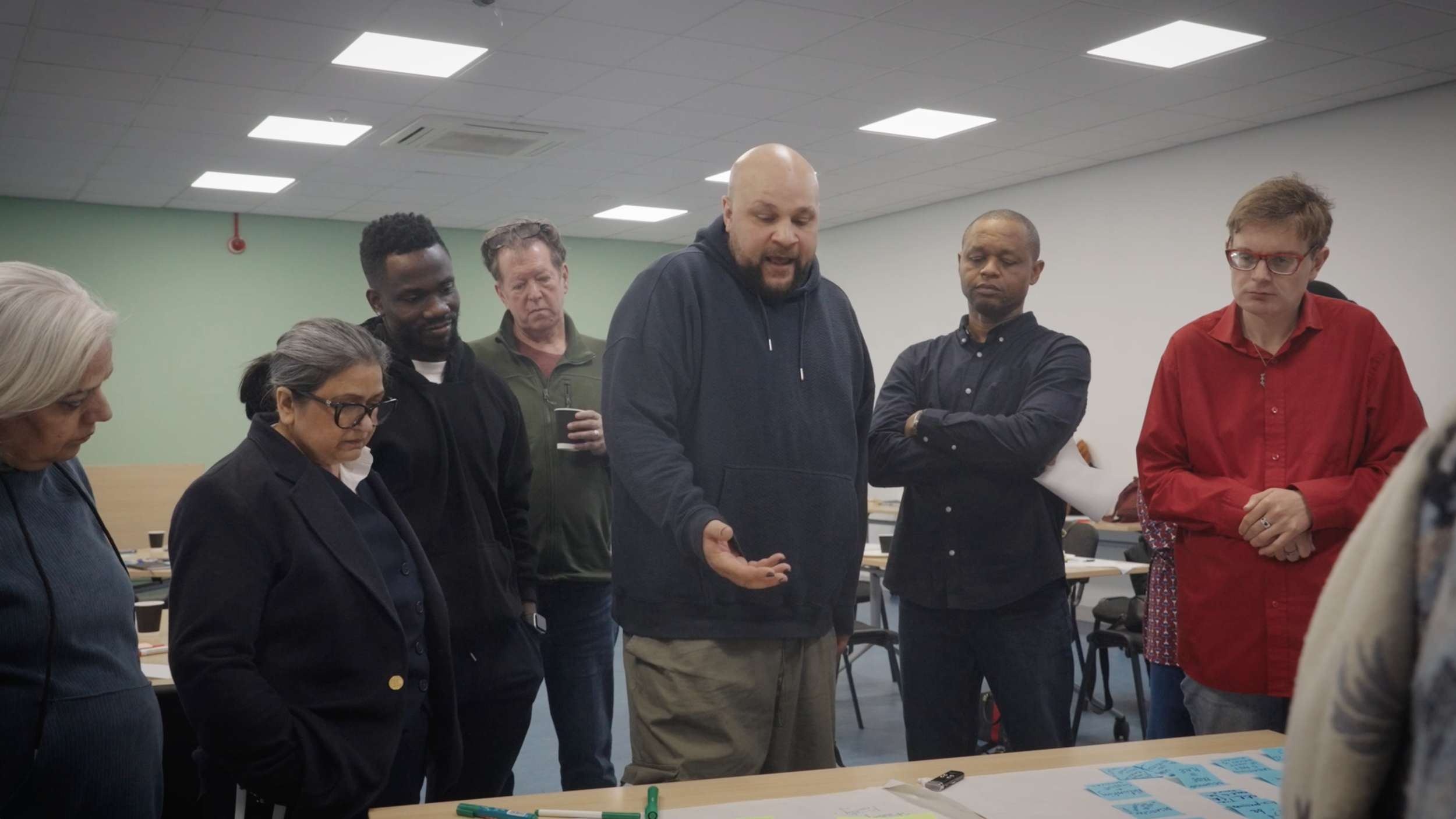

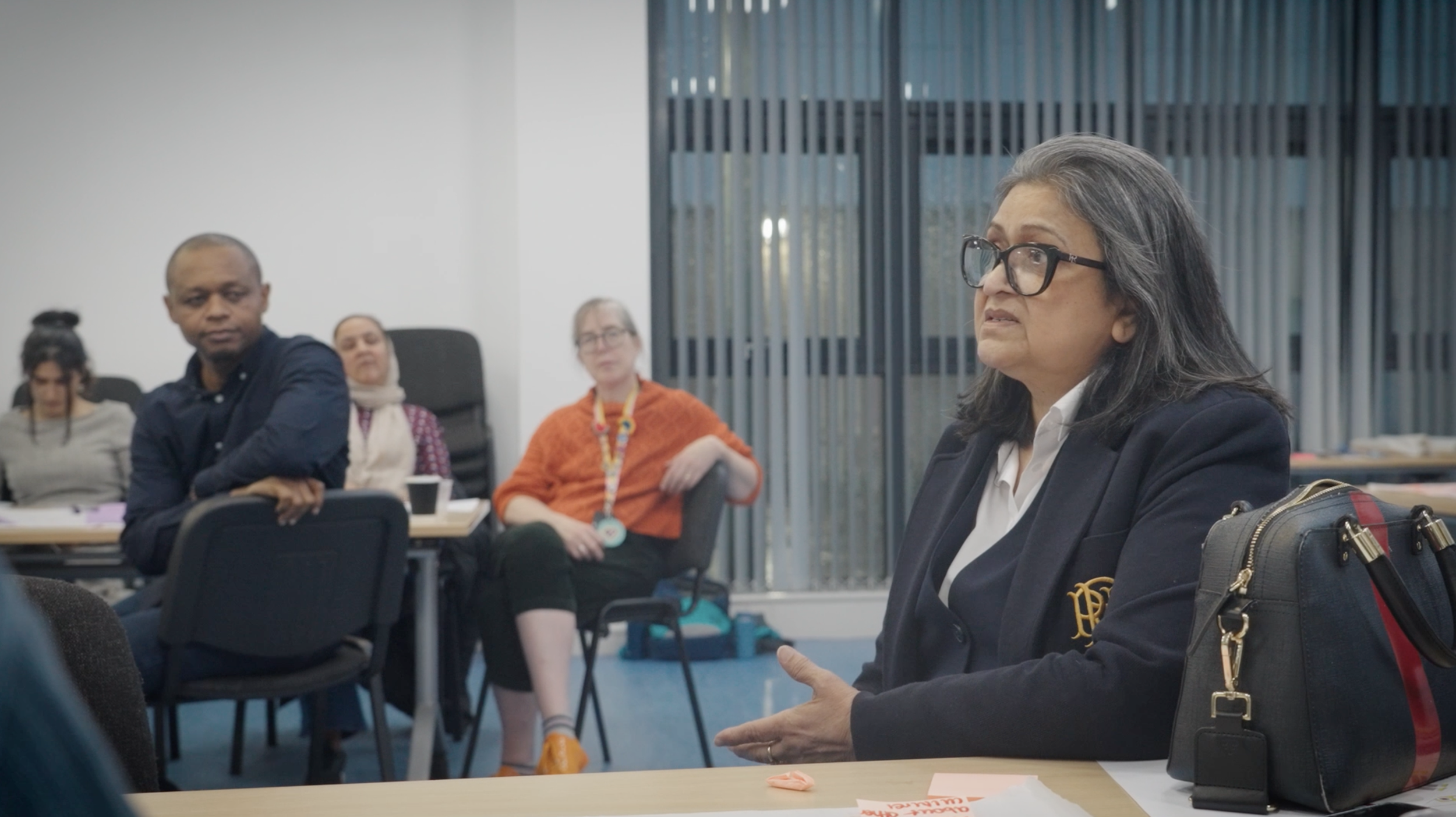
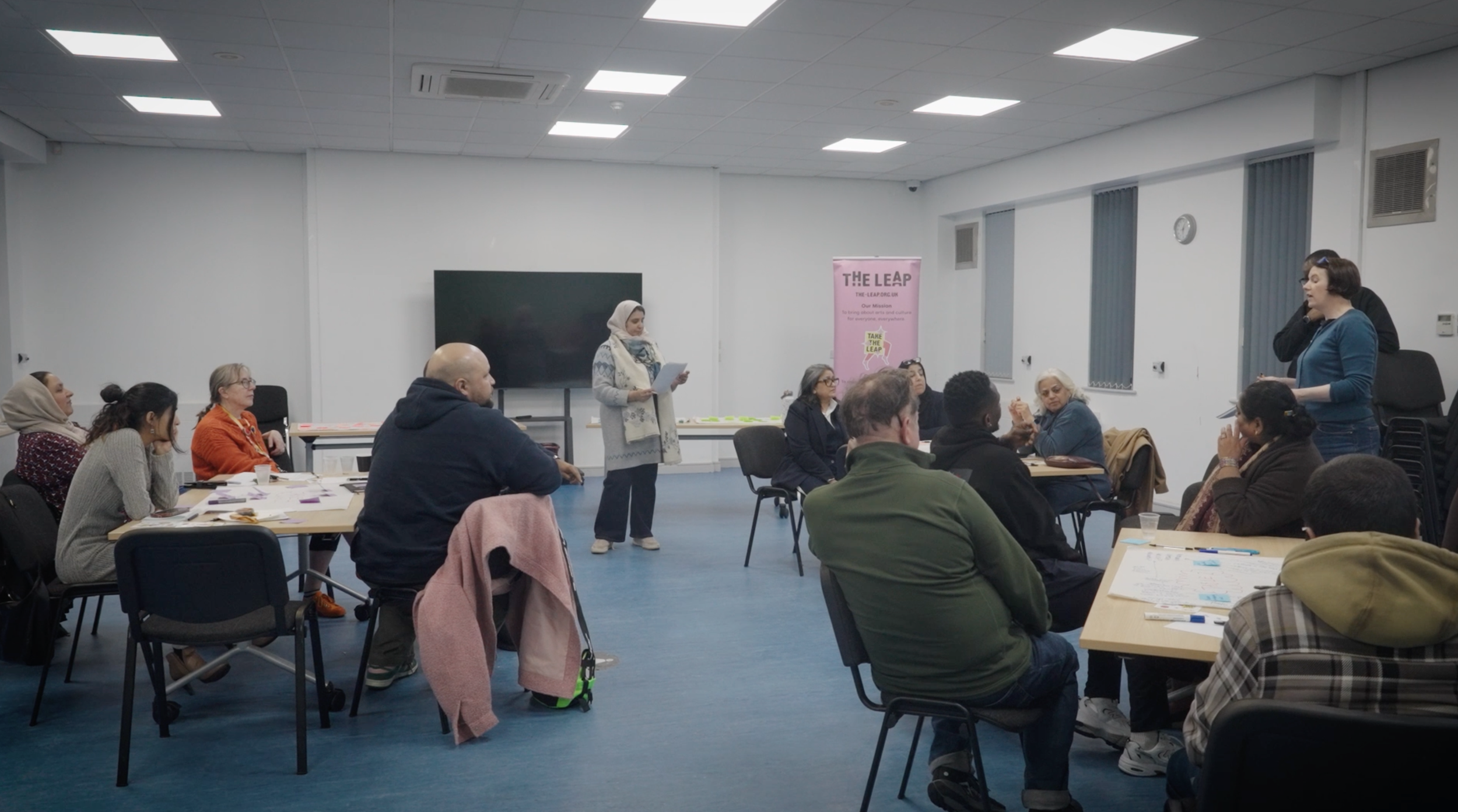
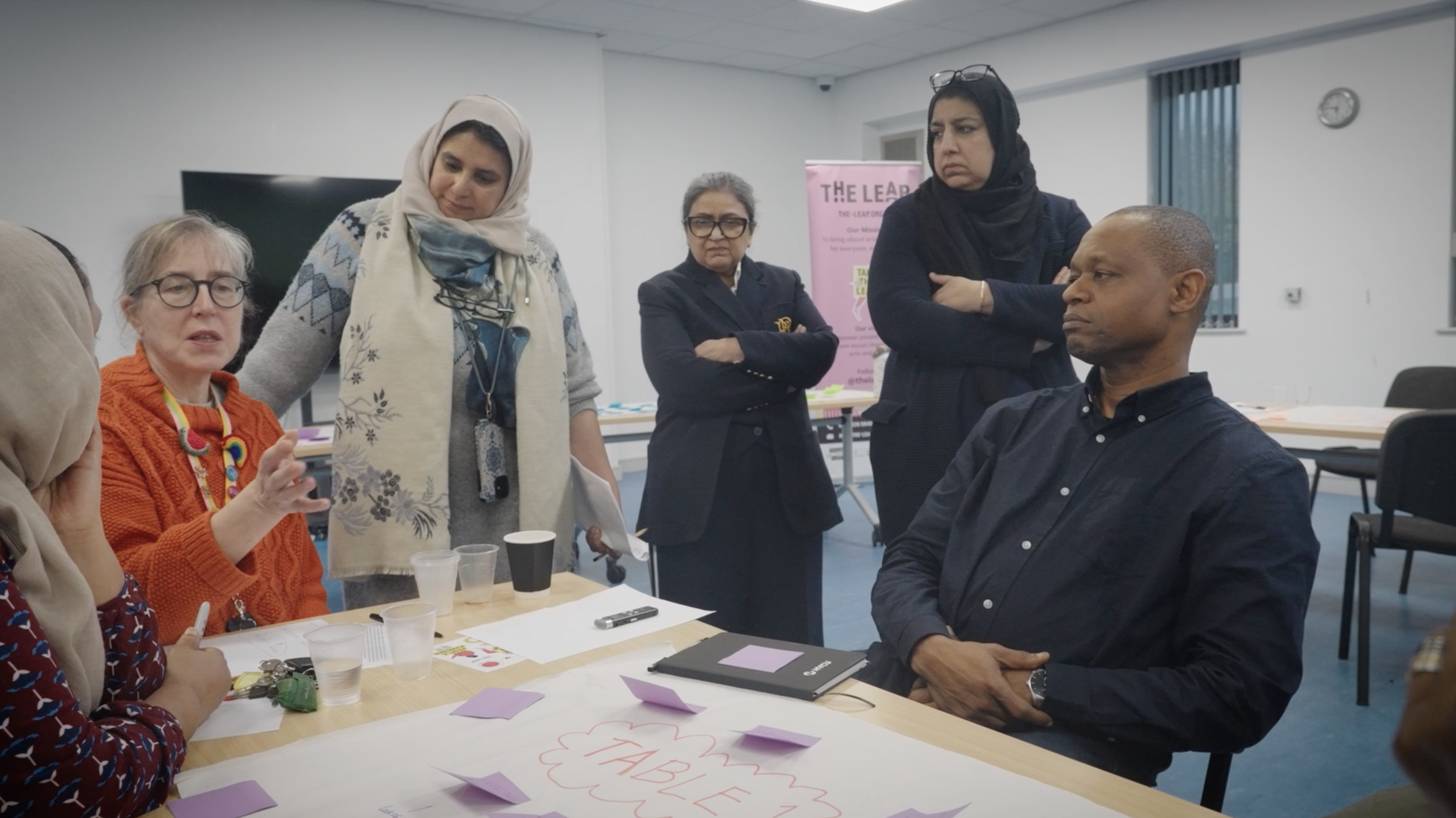
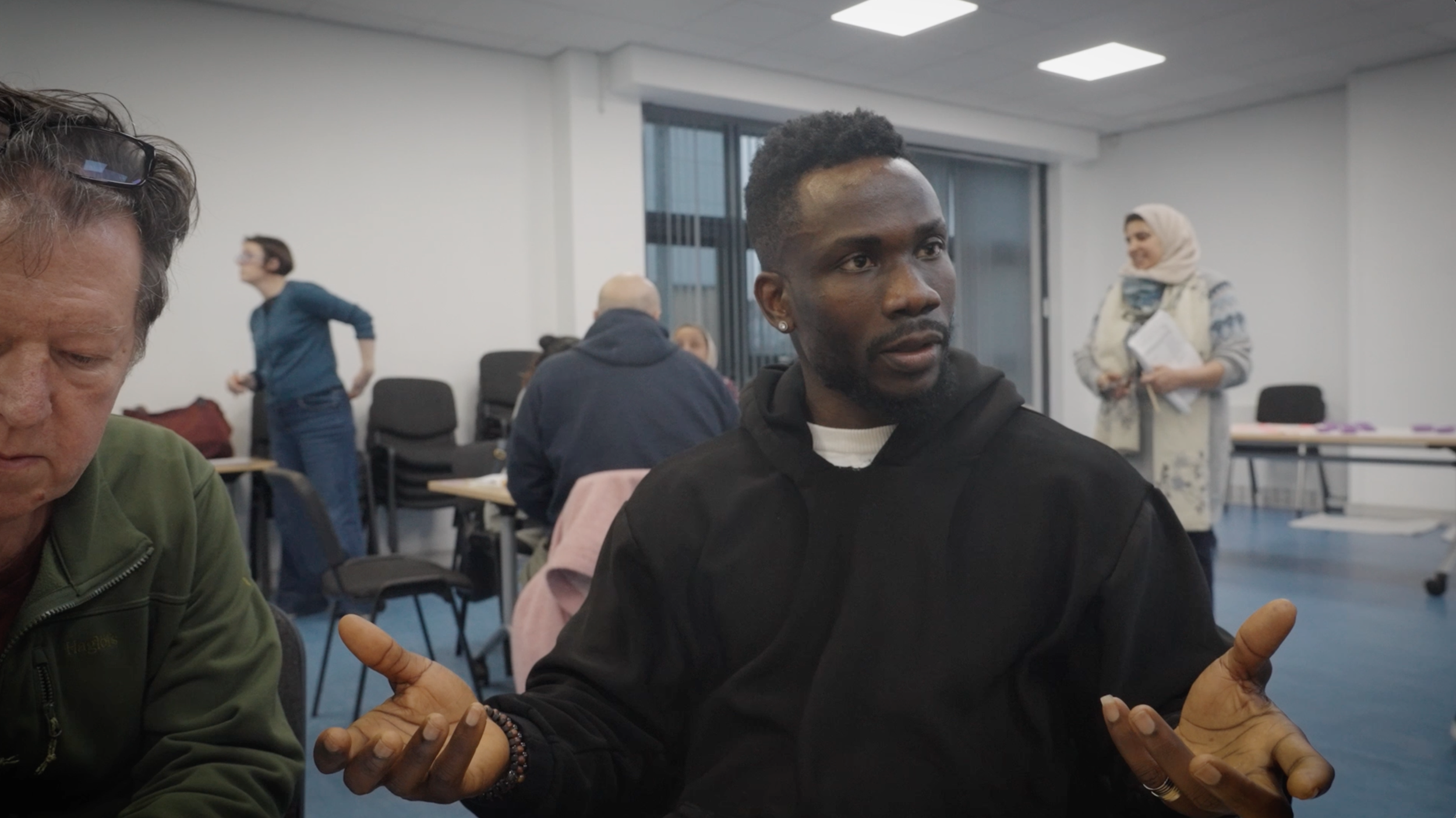
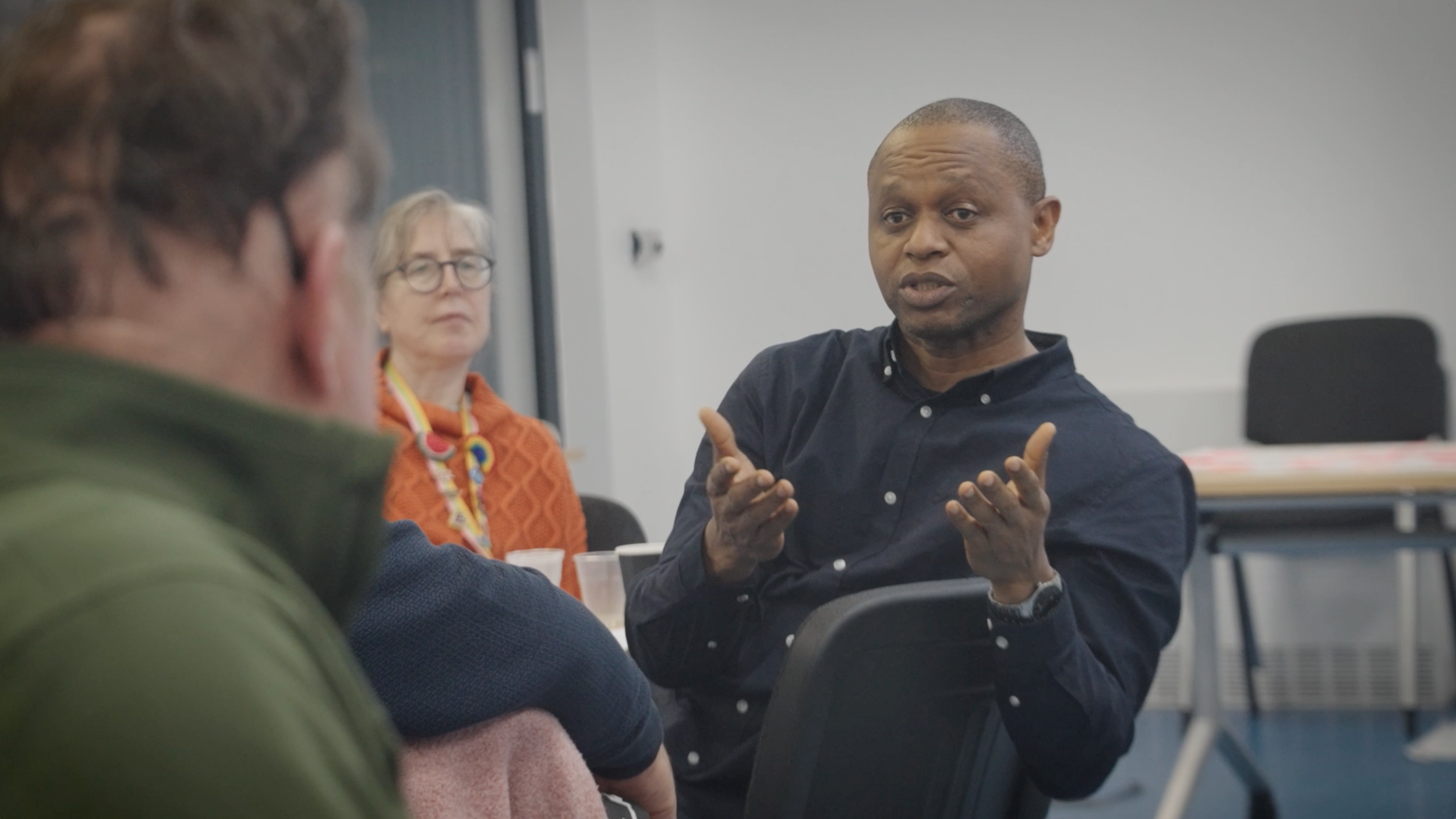
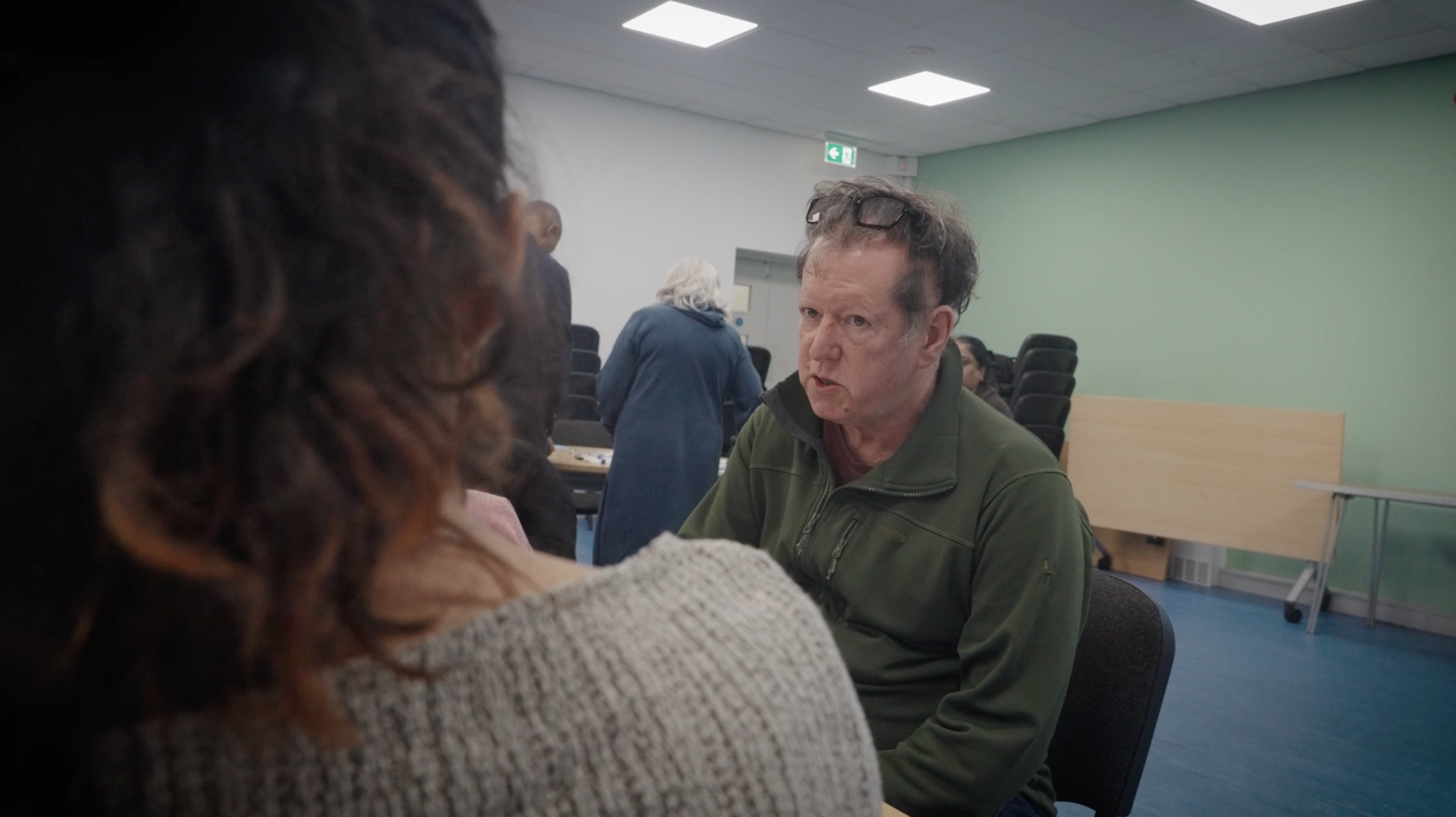
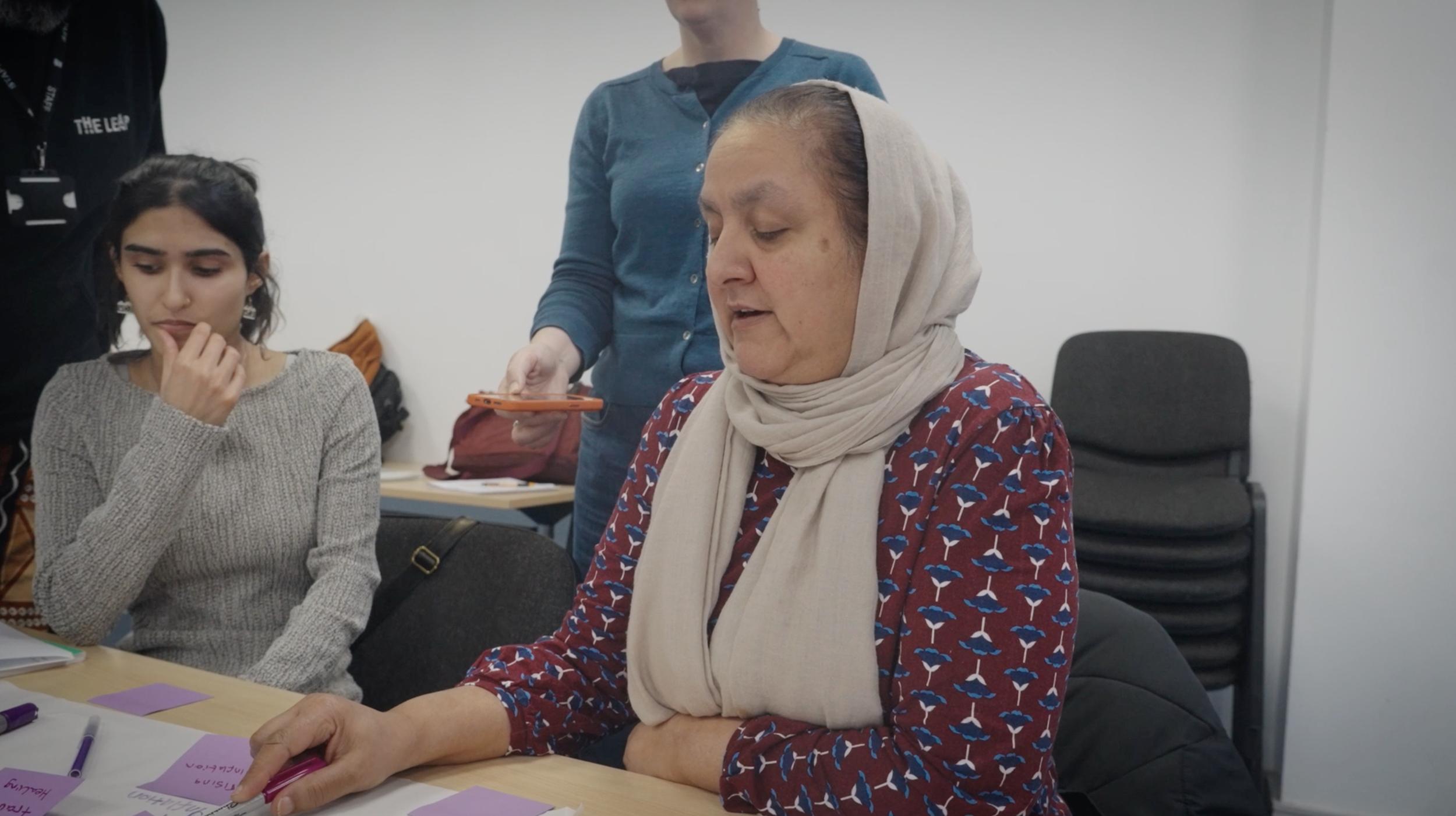
“I've had a lovely afternoon reflecting on what it means to be a cultural leader. I've never thought of myself as that. I've learned that there are so many of us doing work in our communities that is valuable, that is meaningful and actually supporting each other in telling our stories and joining the dots between our stories and overlap that we have. It's something that we need to celebrate and do more on because it is a collective journey. We might not be leaders as such but we are cultural entrepreneurs. Culture entrepreneurs is the word I'm going to use. “
Aisha Khan, Co-director, Bradford South Asian Festival
Building upon these foundations, the collaborative research examined The Leap’s model of supporting and developing hyperlocal cultural leadership across Bradford and Keighley. The primary objective was to understand the passions, barriers, and values experienced by people and communities, both to inform future delivery and to provide policy insights for regional and national impact.
Throughout the process, the project engaged the community, local voices and creative place partners at key stages to co-create participatory understanding of cultural leadership. By bringing people and cultural leaders together in dedicated assemblies, participants explored core themes ranging from initial aspirations and support structures to long-term impacts, leadership identities, and understanding of success.
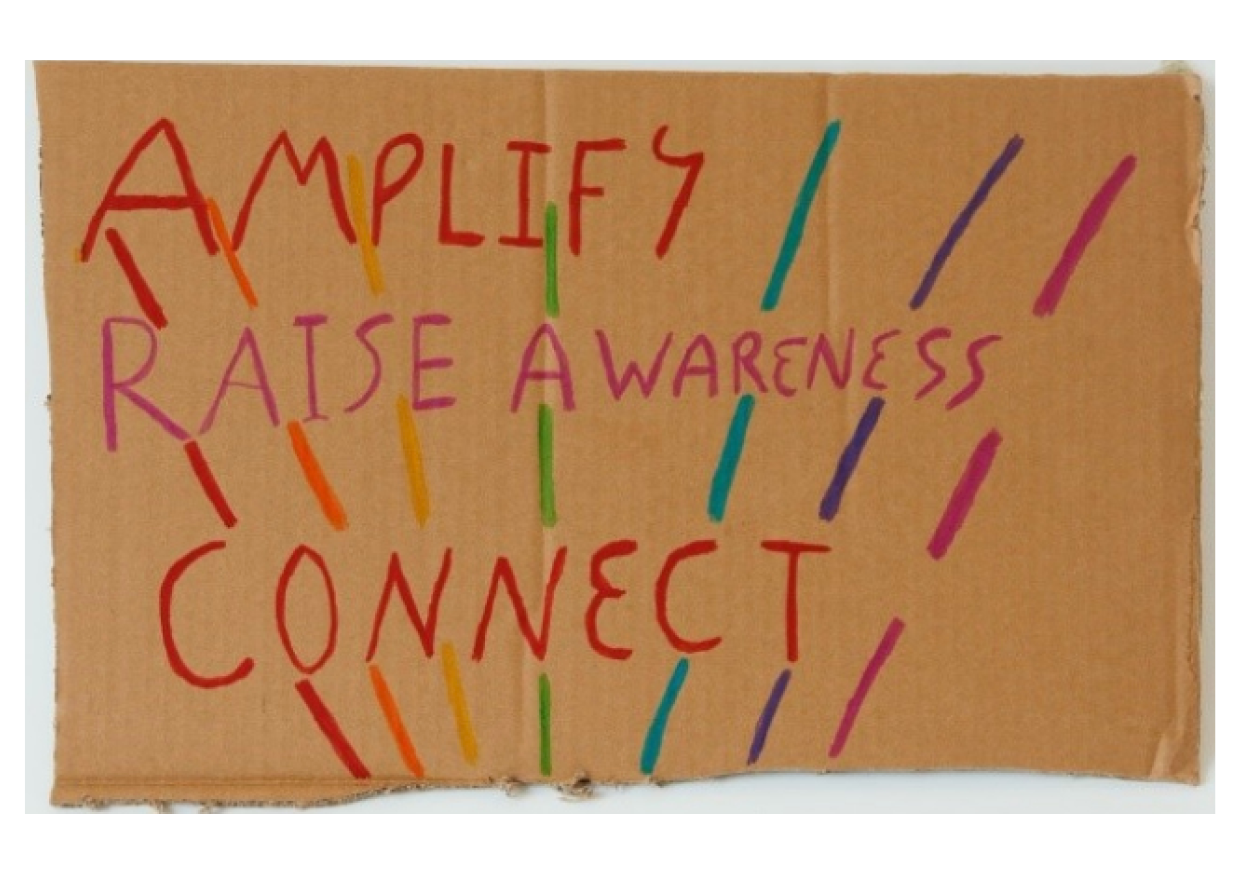
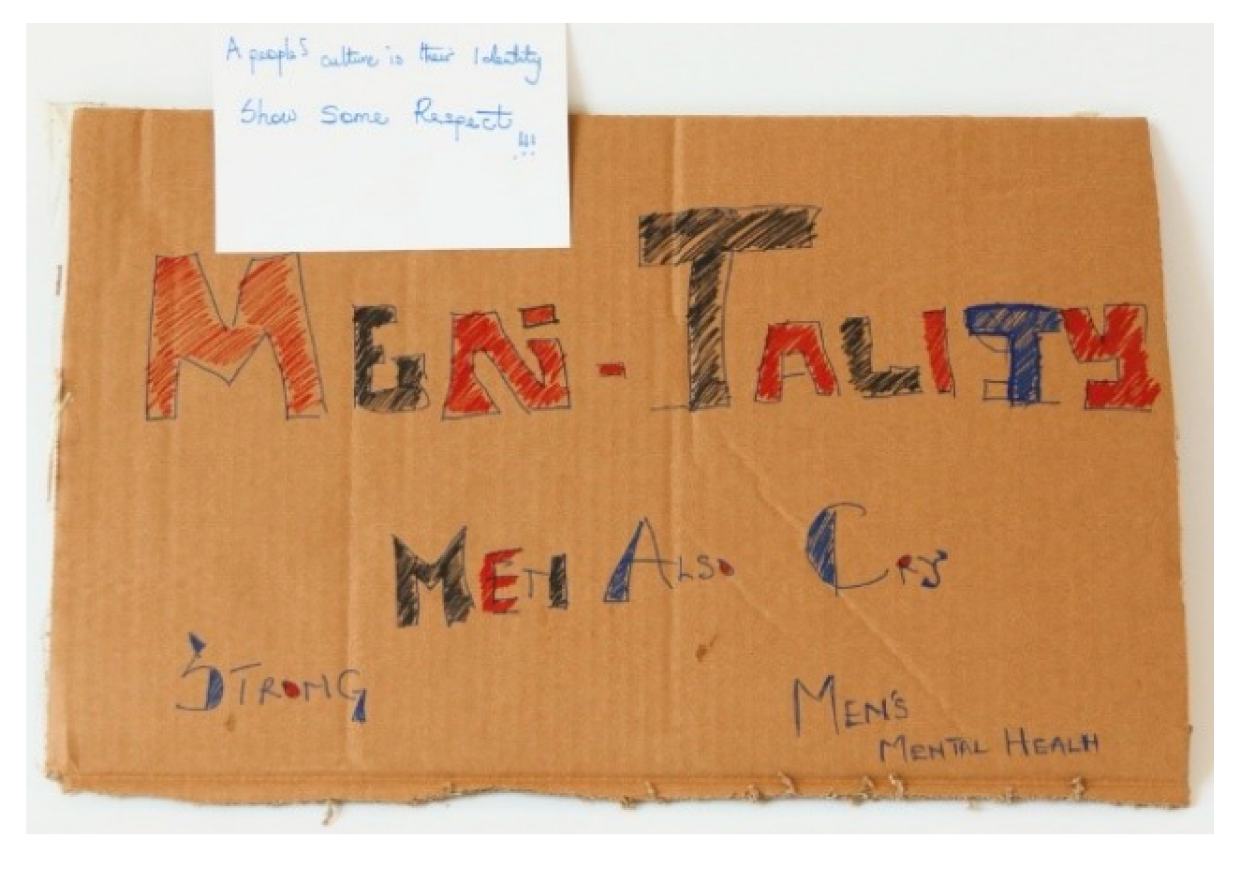
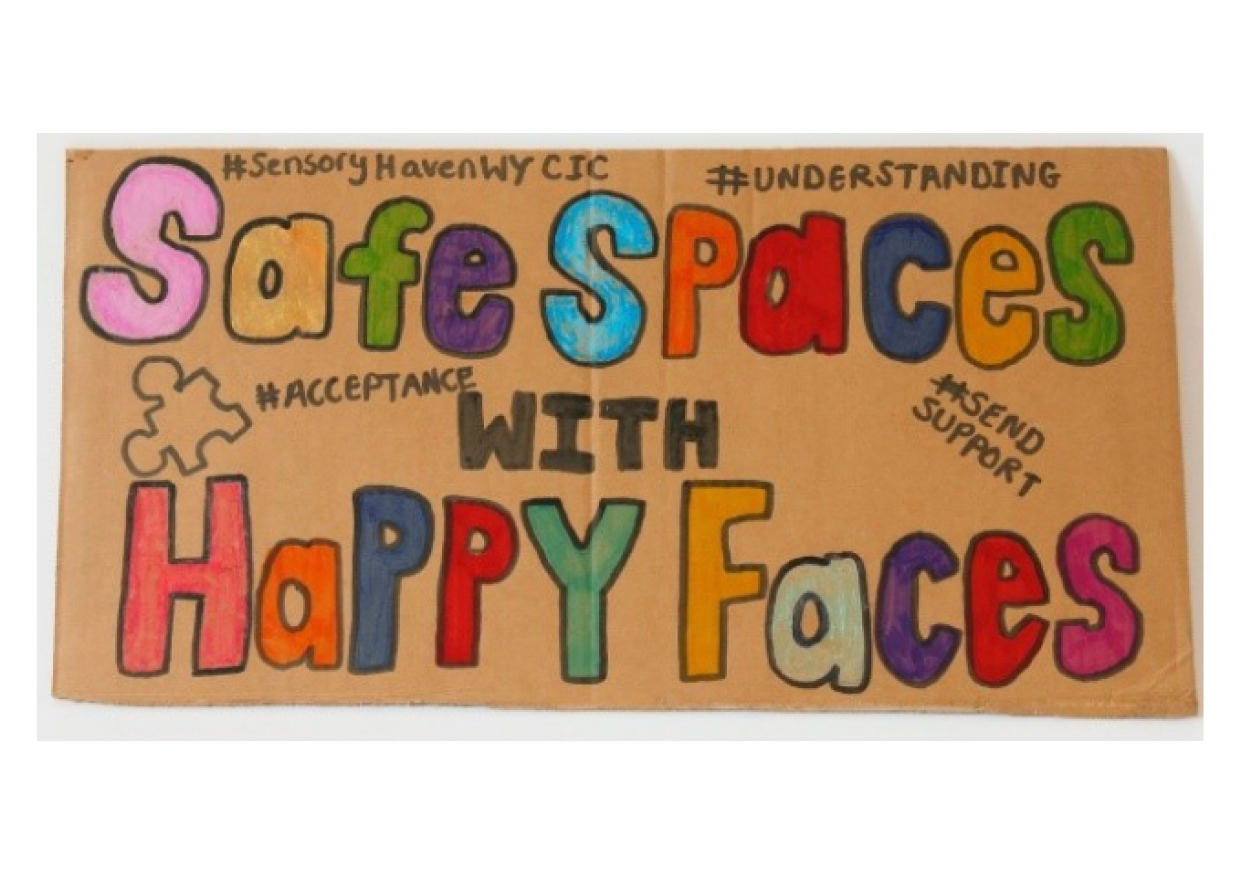
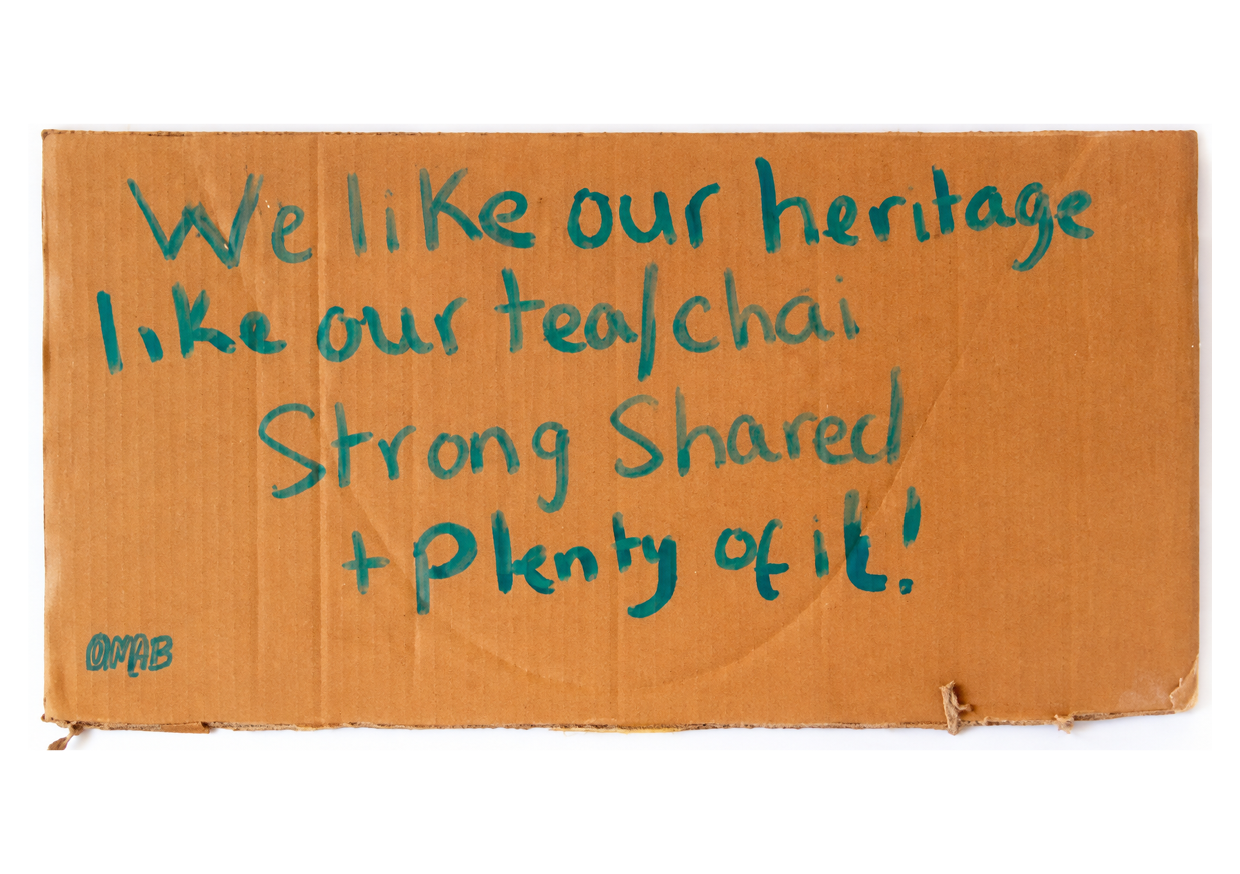
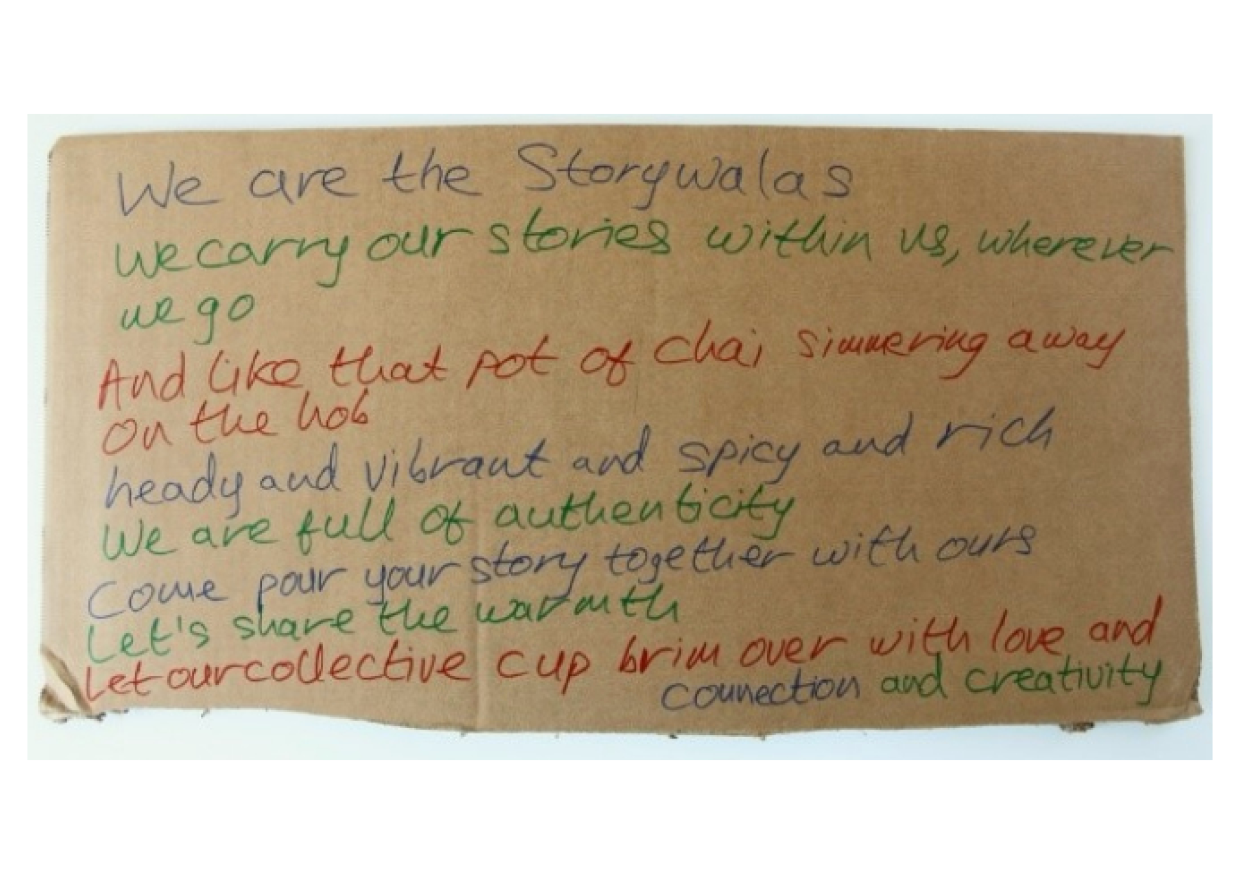
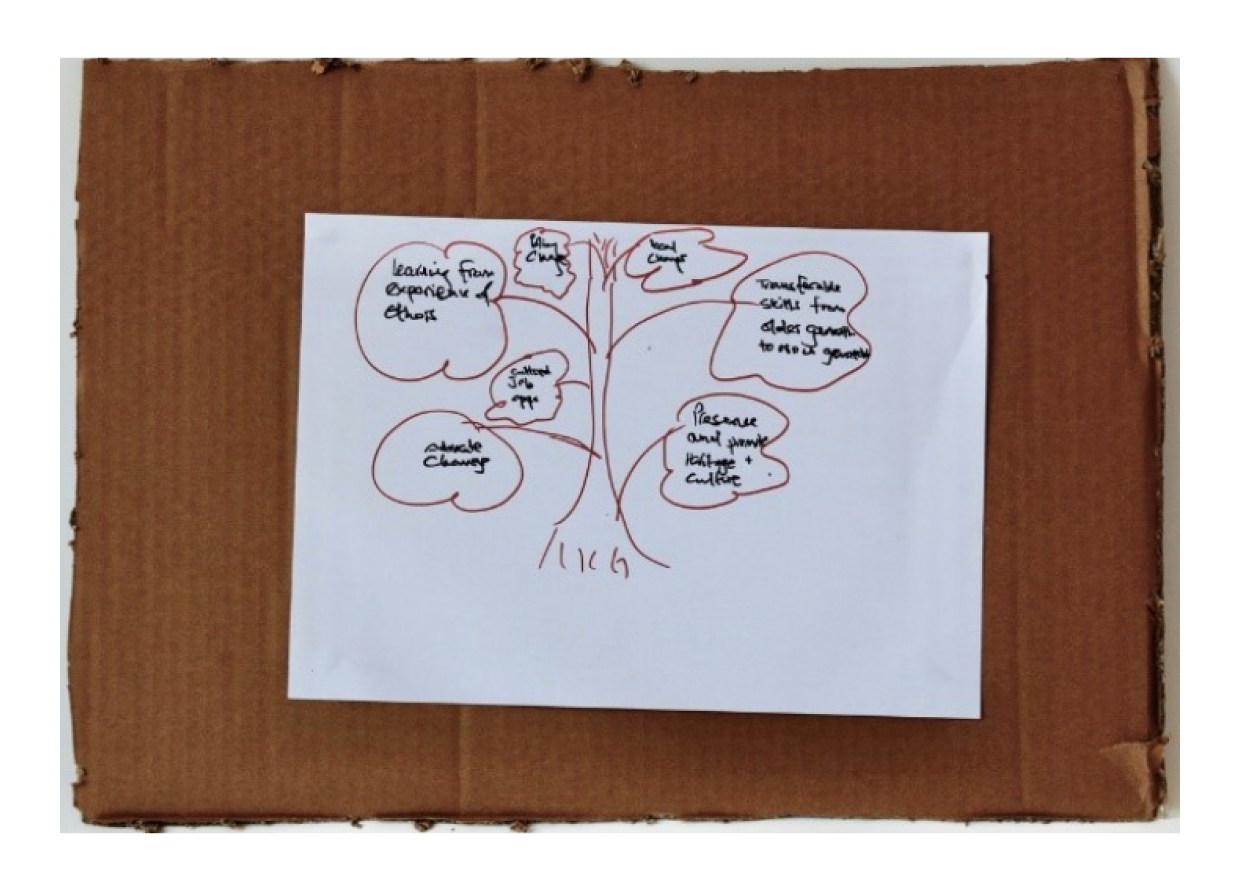
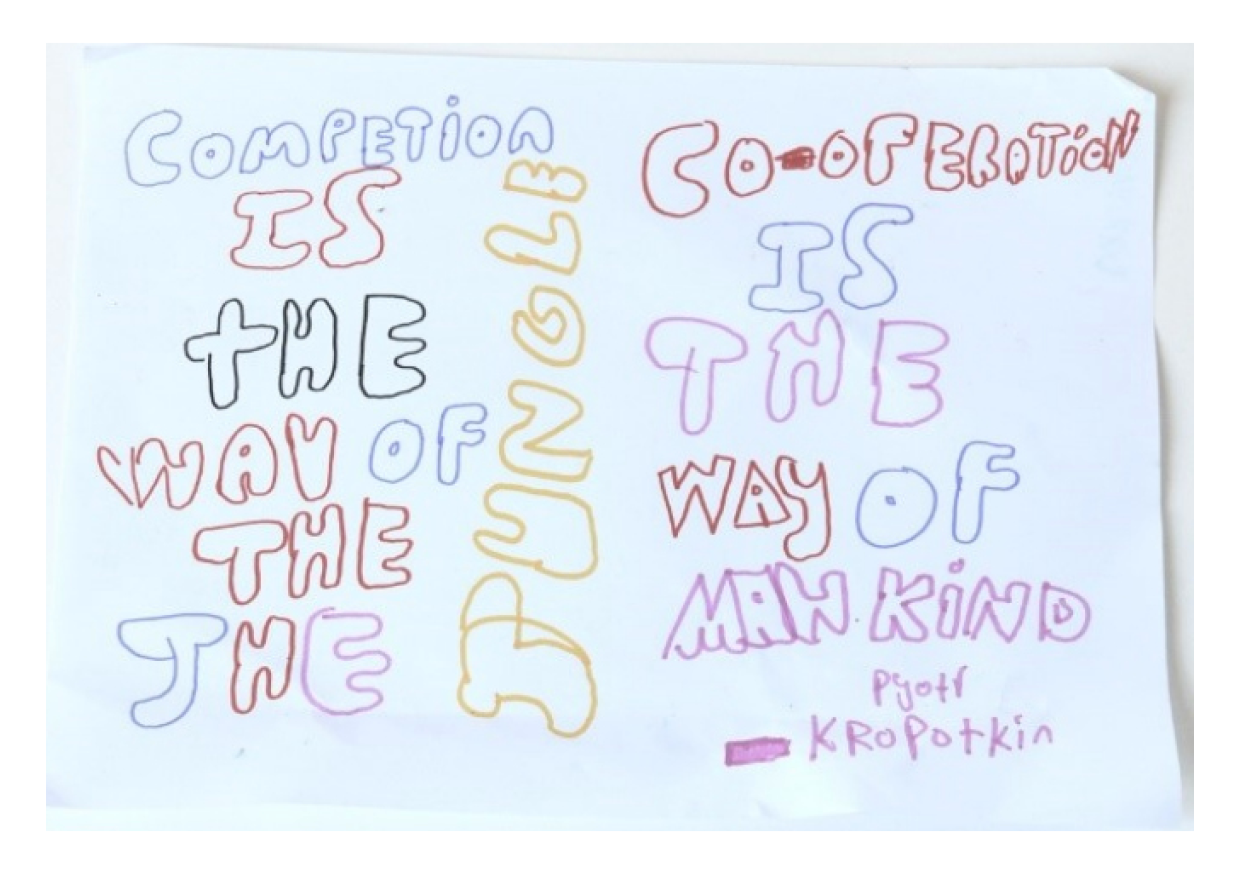
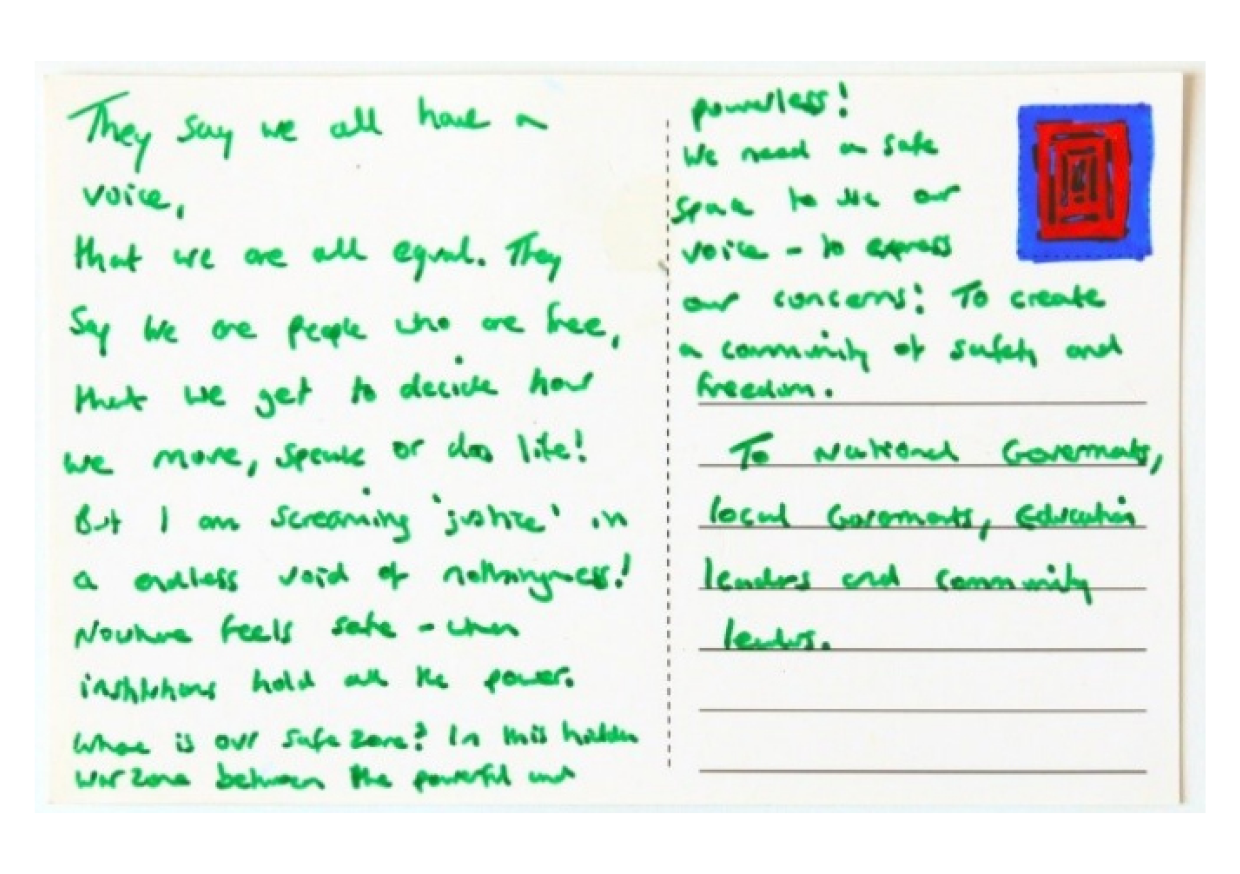
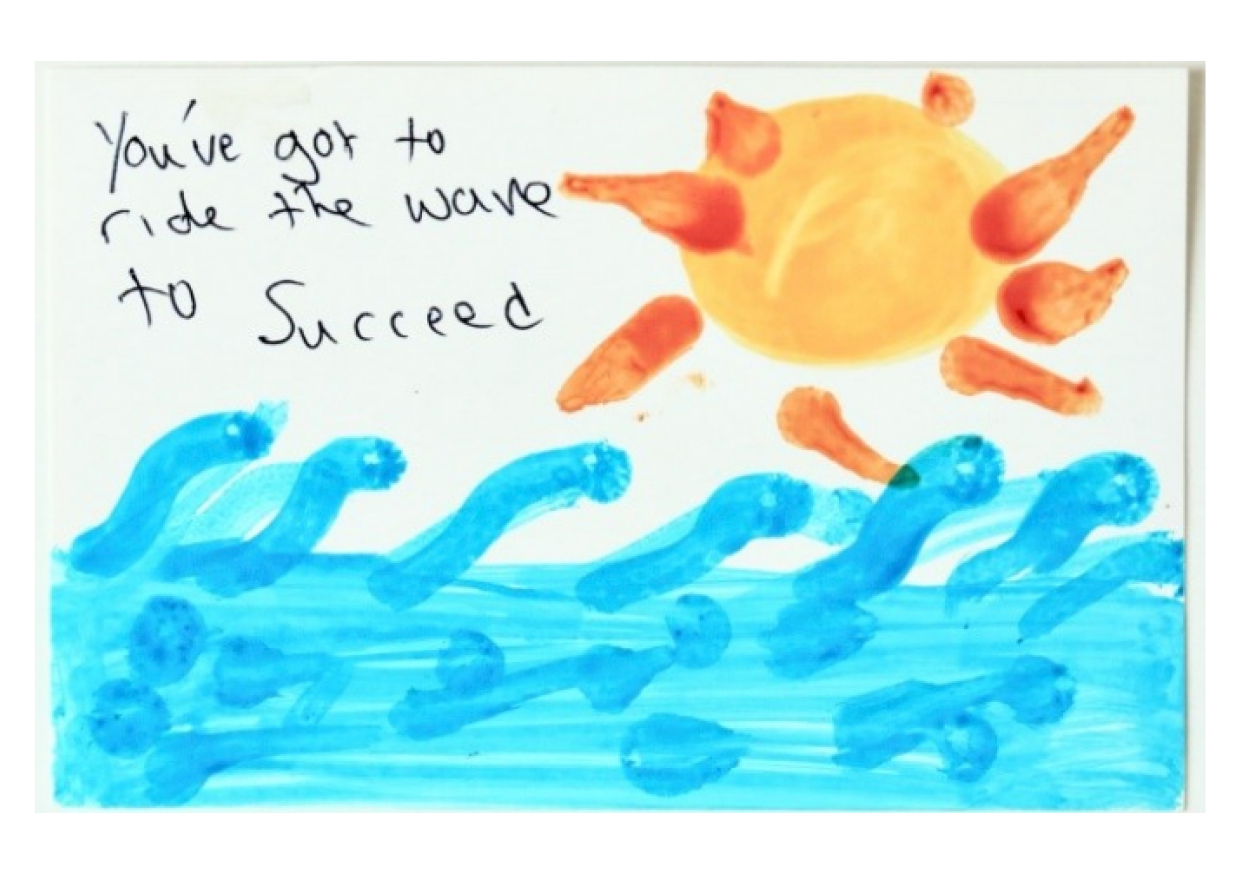
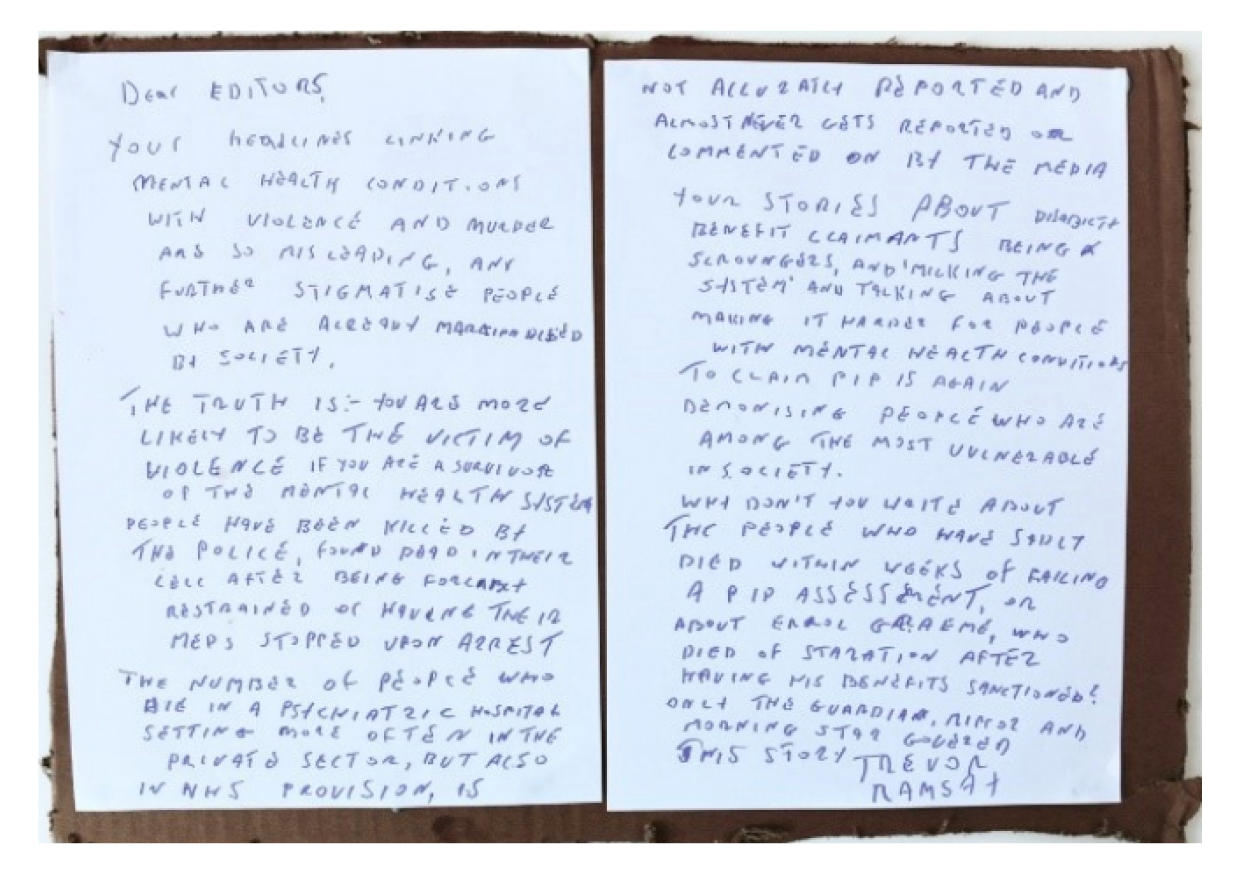
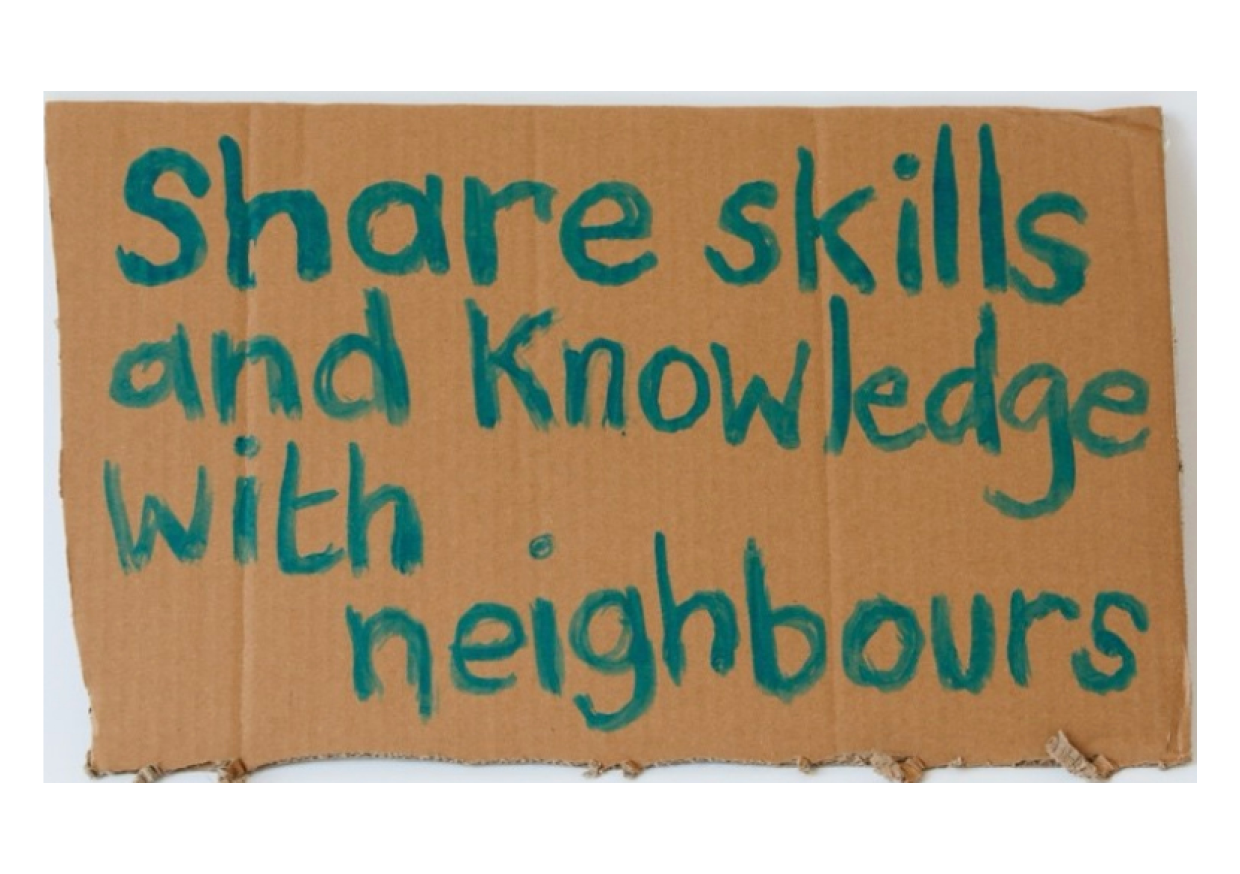
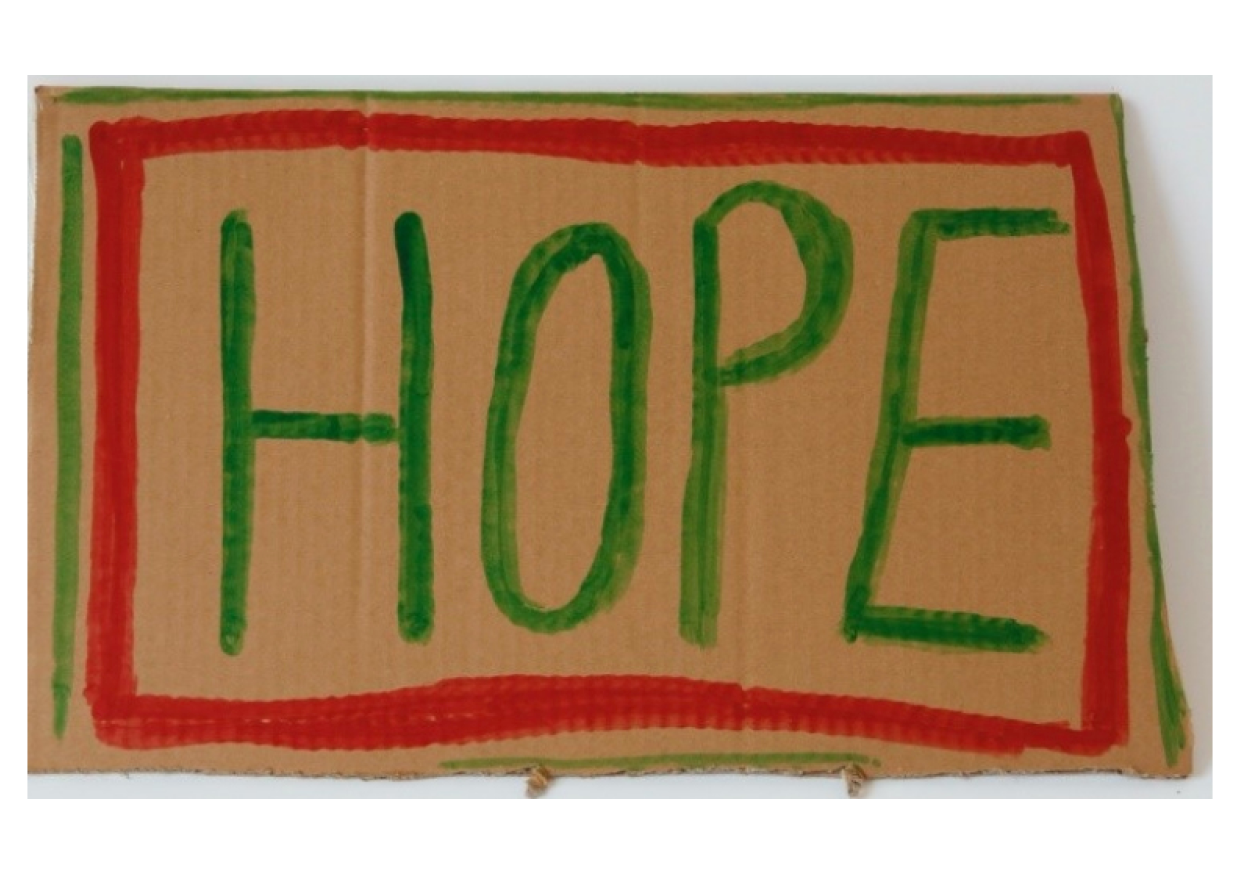
Ultimately, the initiative produced a comprehensive report analysing motivations, barriers, and leadership in local cultural activity. This work provides vital evidence for expanding community-led cultural practices into new areas and underserved demographic groups. By demonstrating how community-led leaders operate on the ground, the findings offer a practical roadmap for policymakers—providing evidence needed to shift funding models and influence national policy.
event day
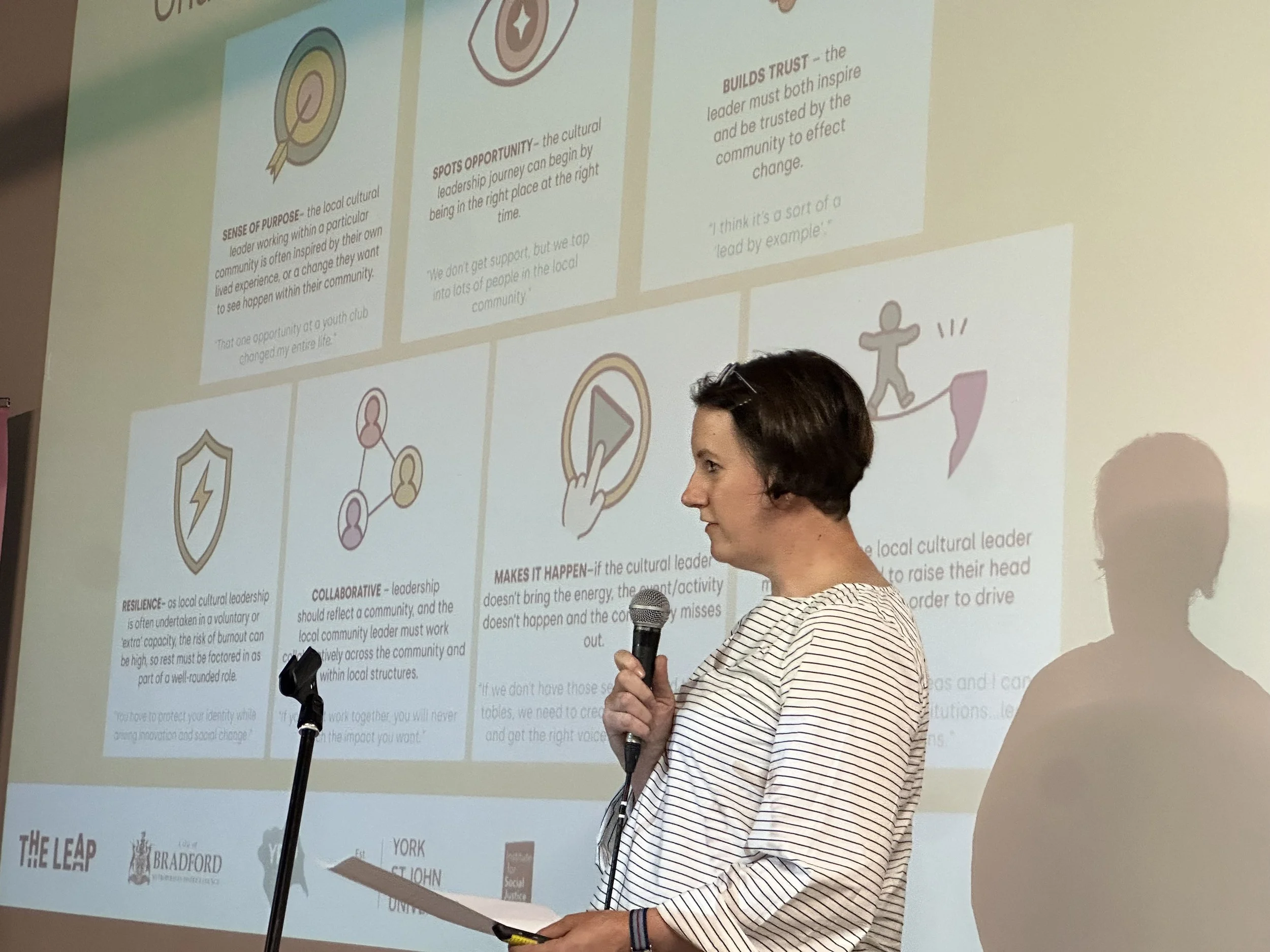
What is a local cultural leader?
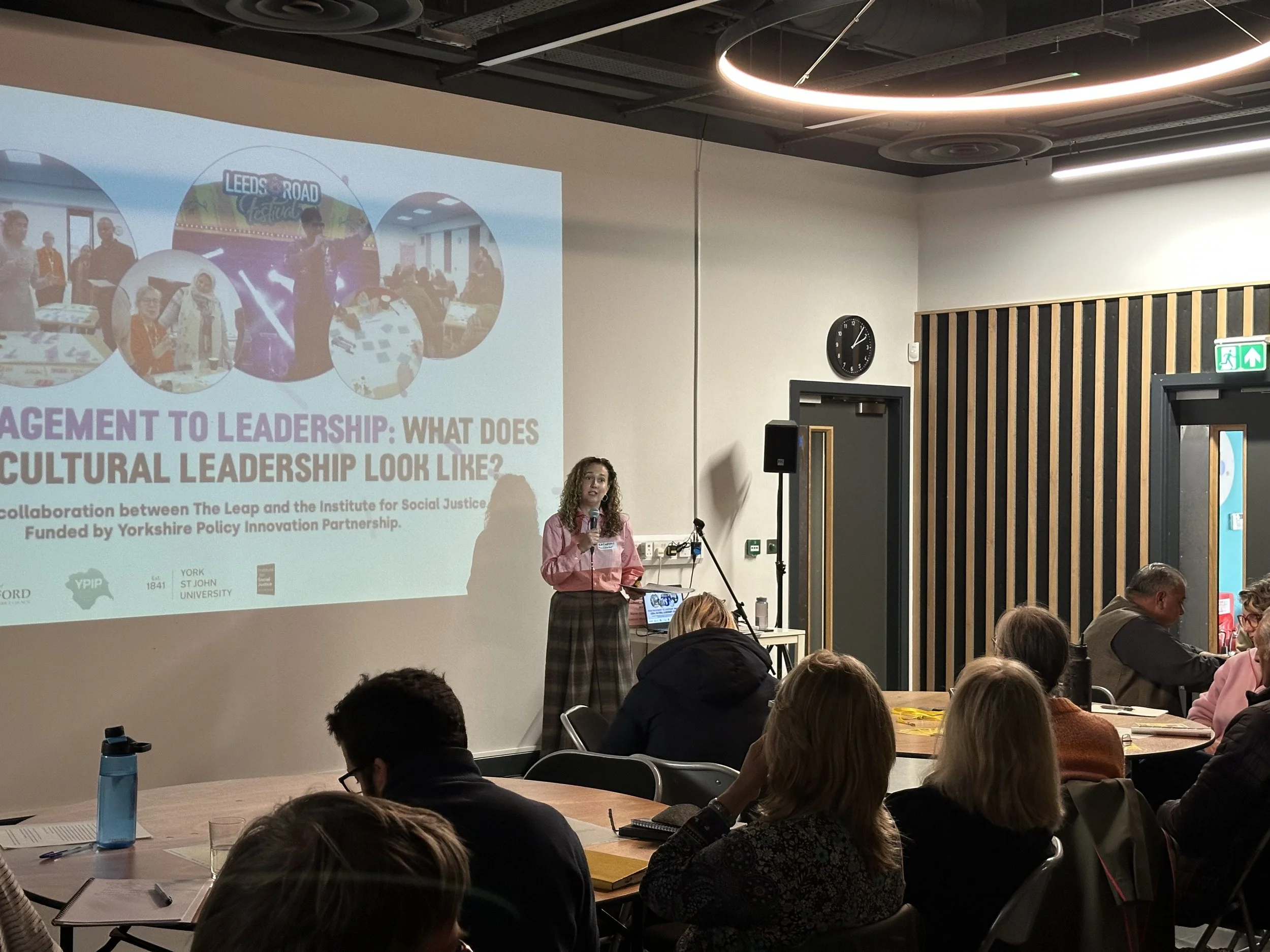
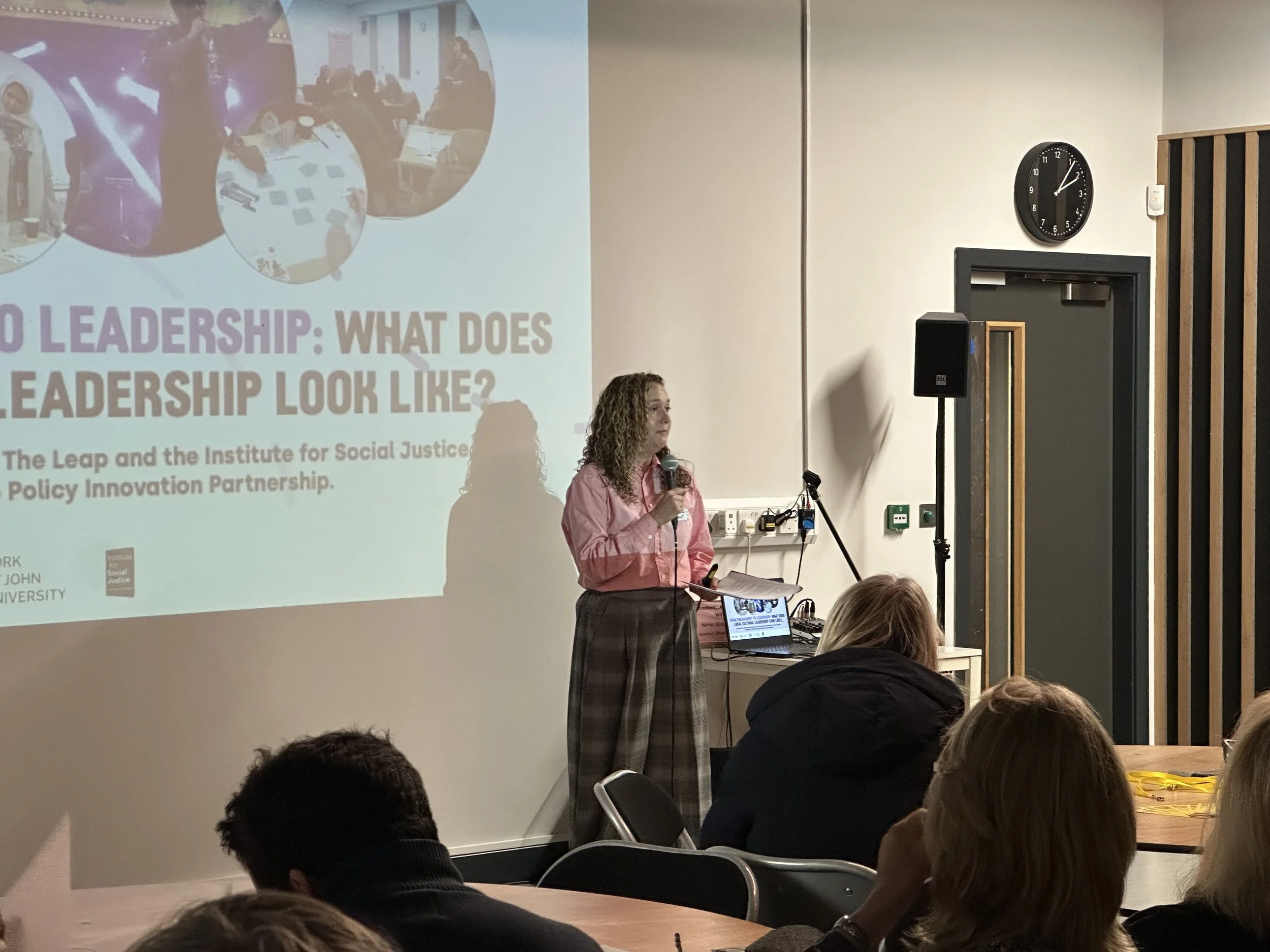
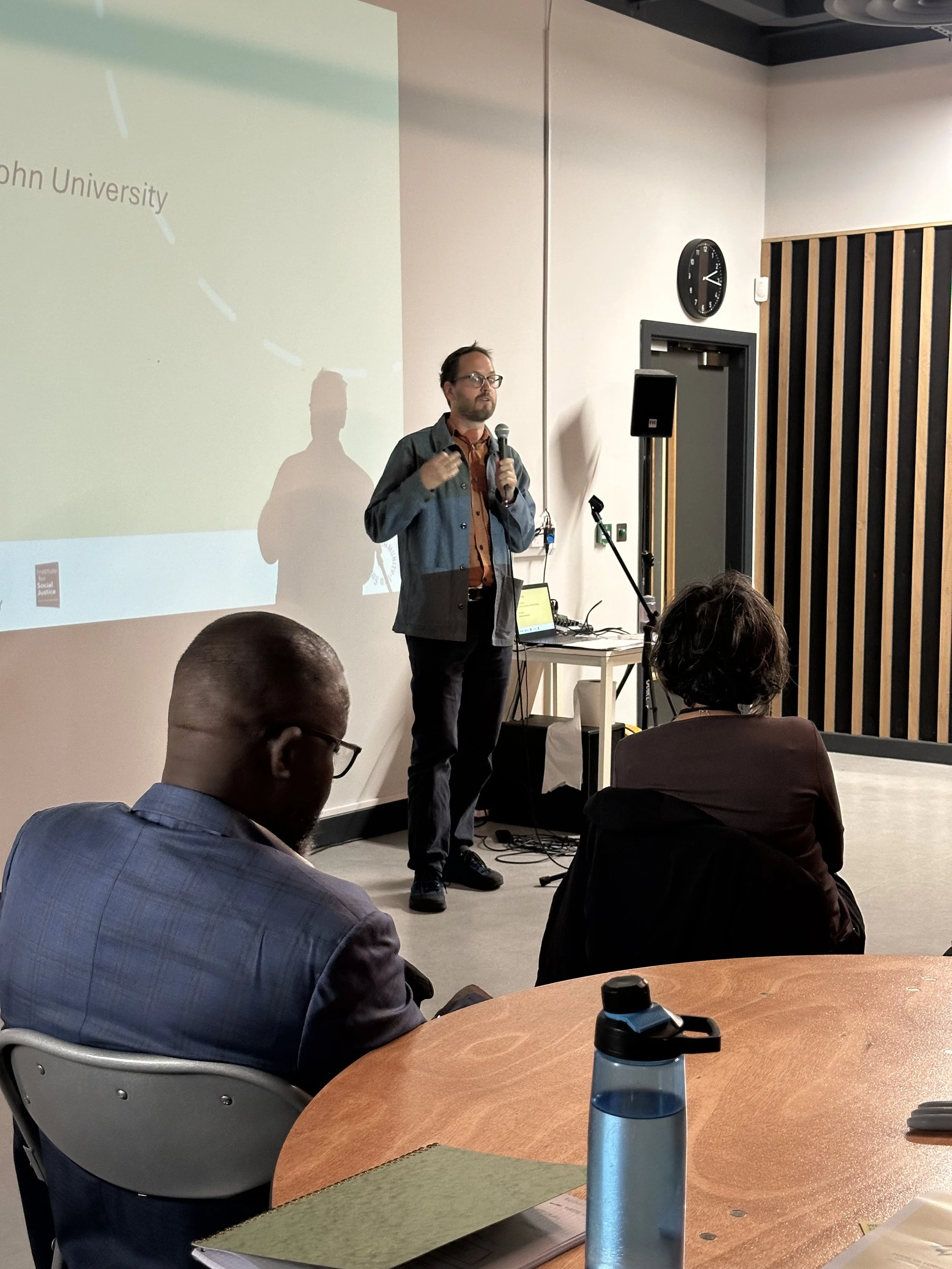
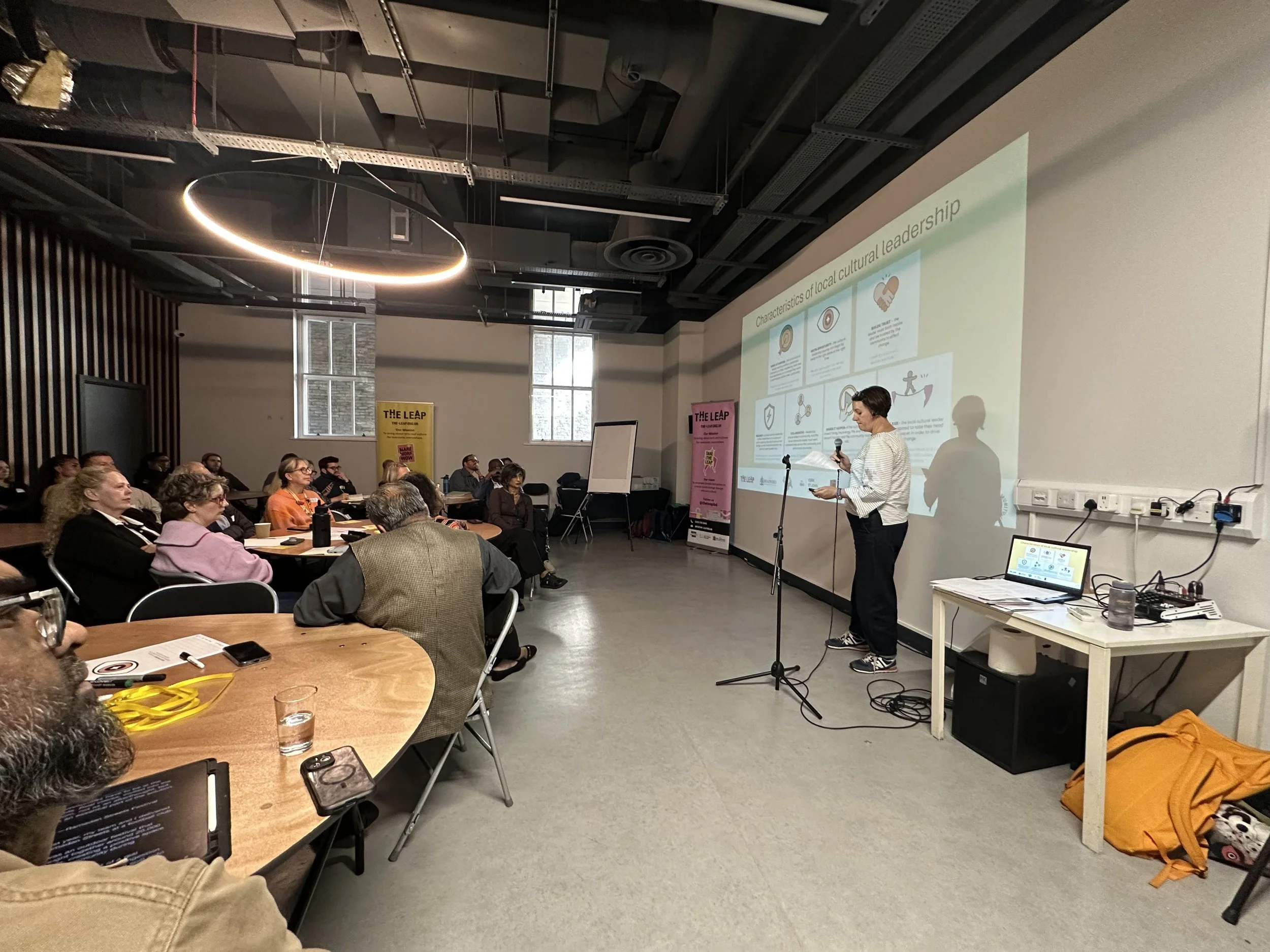
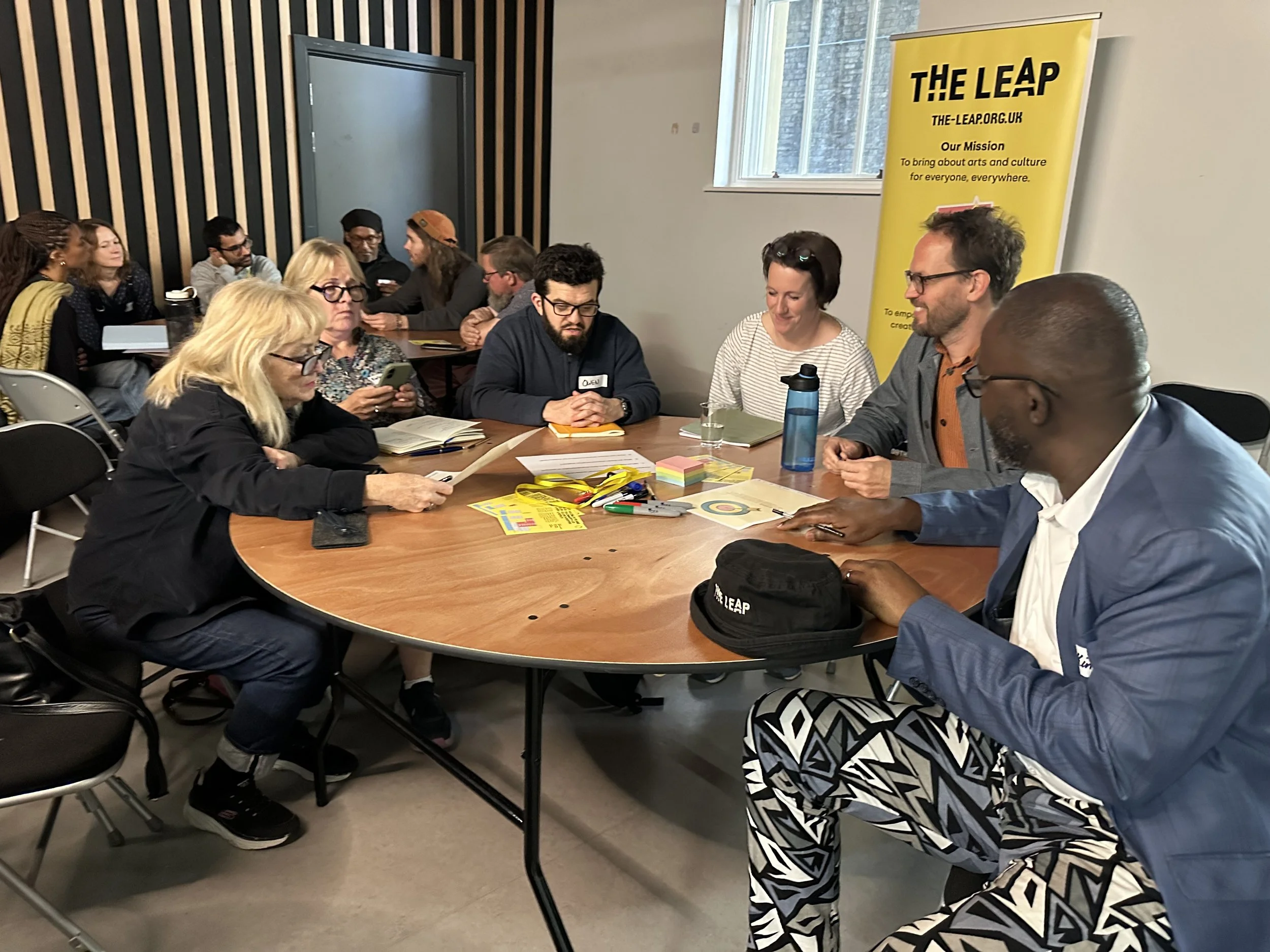
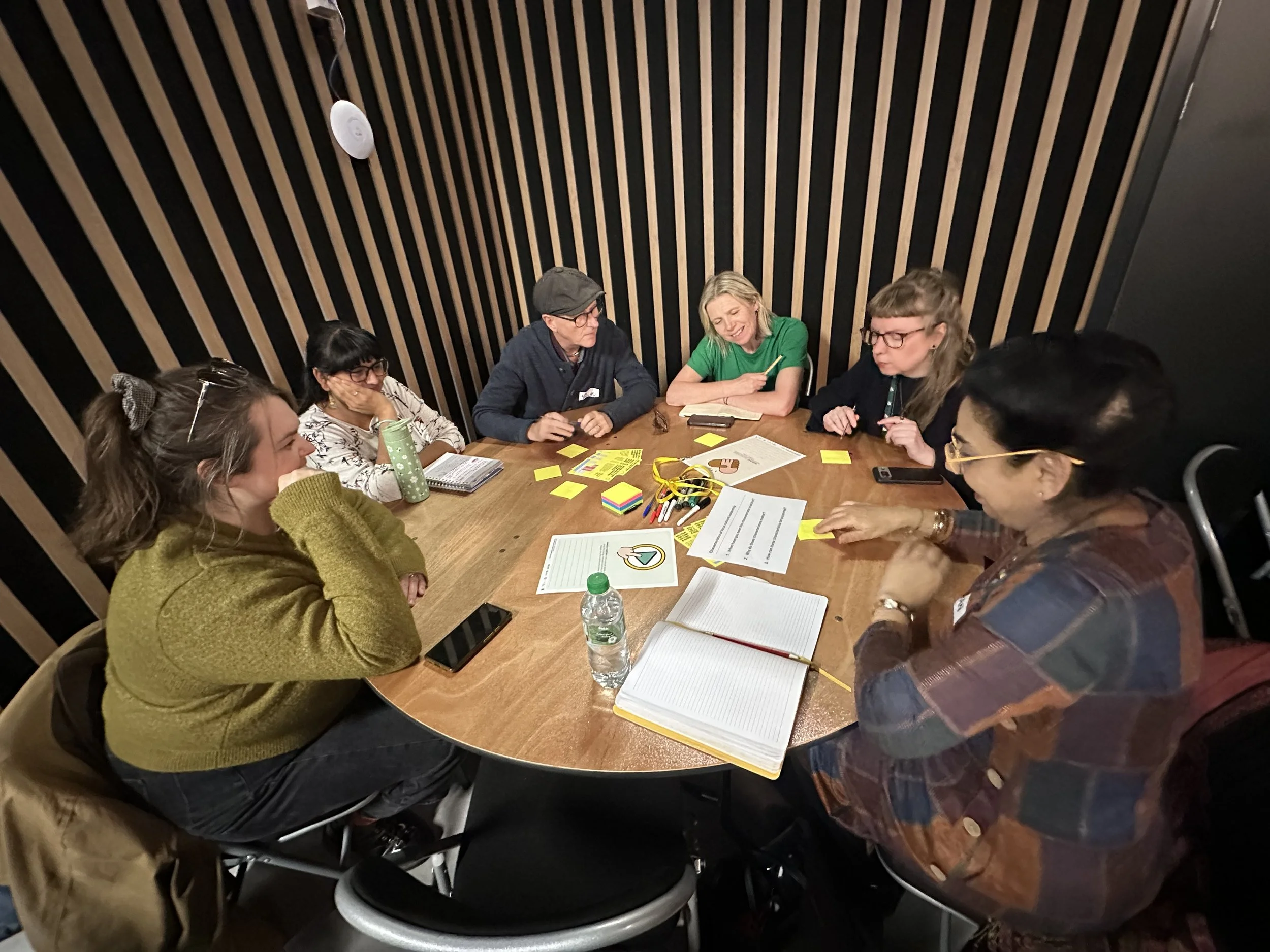
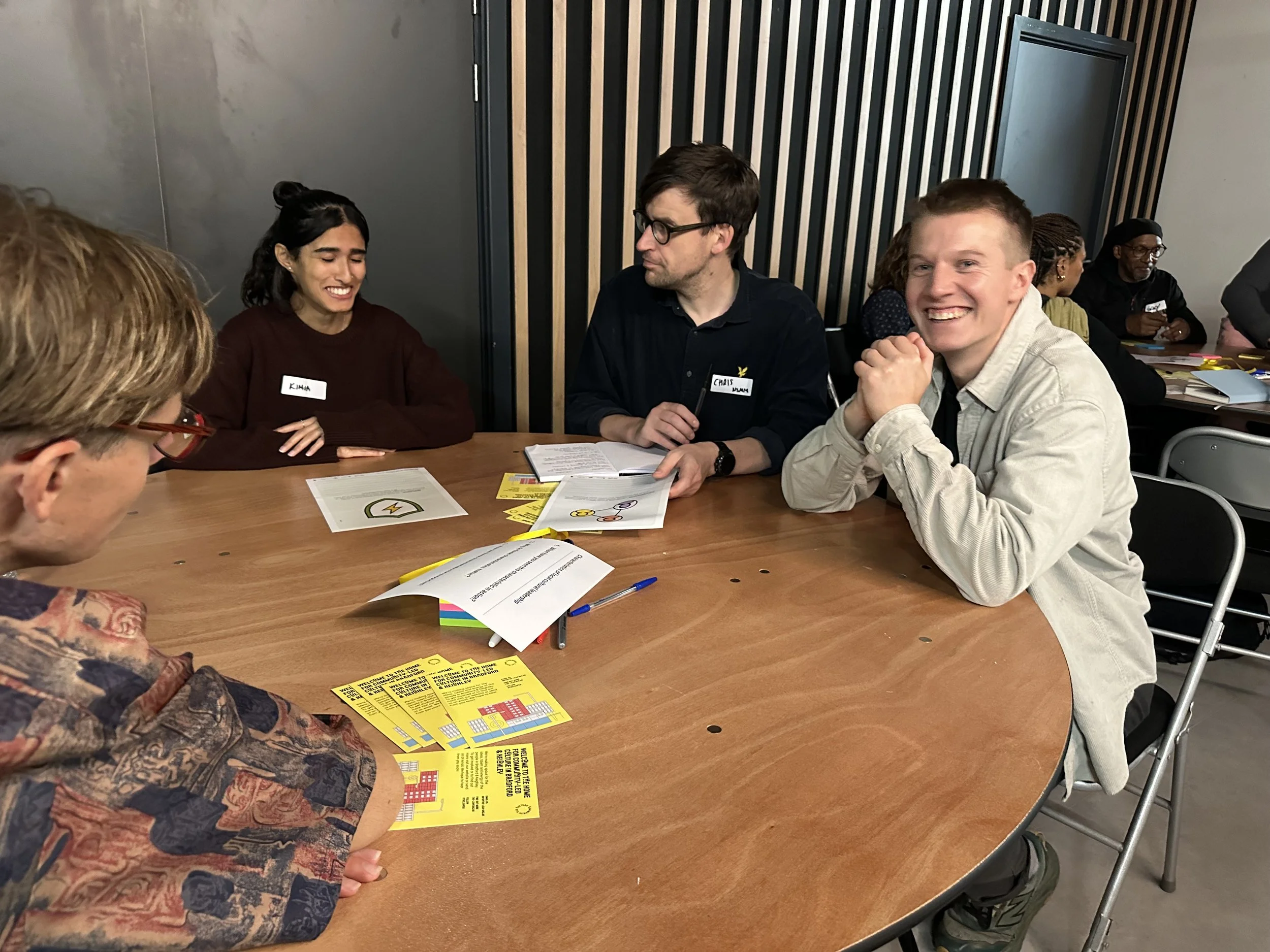
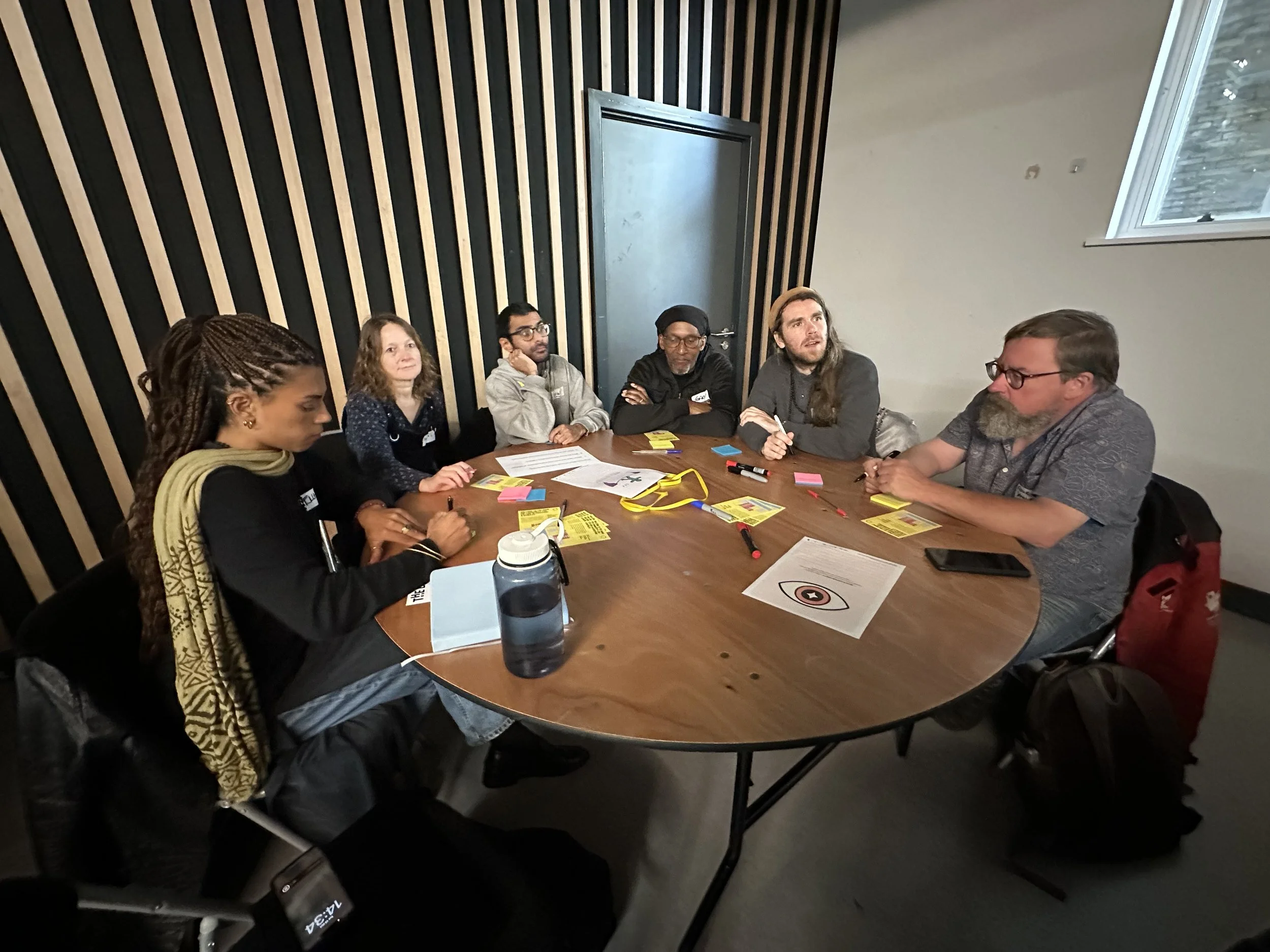
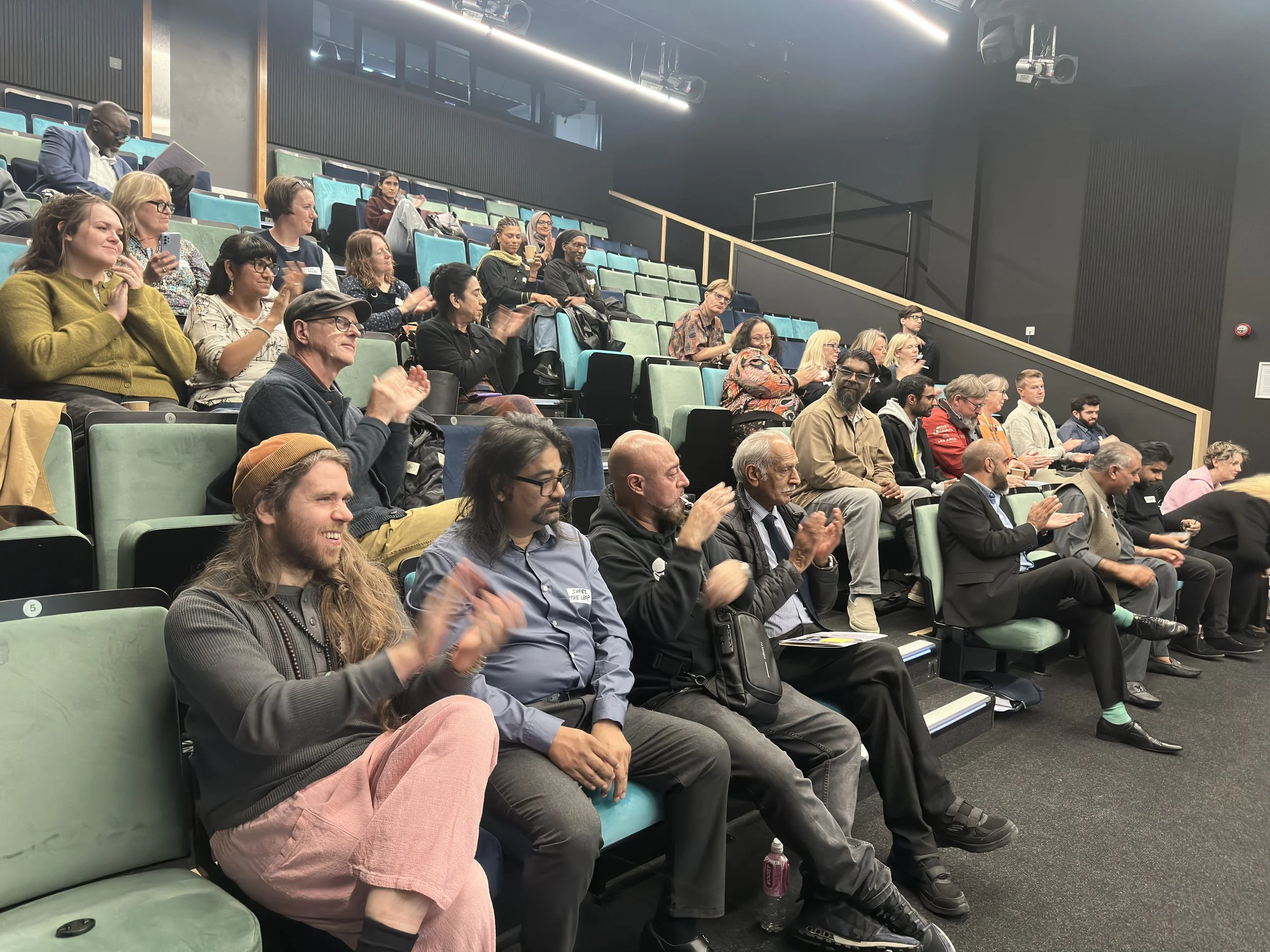
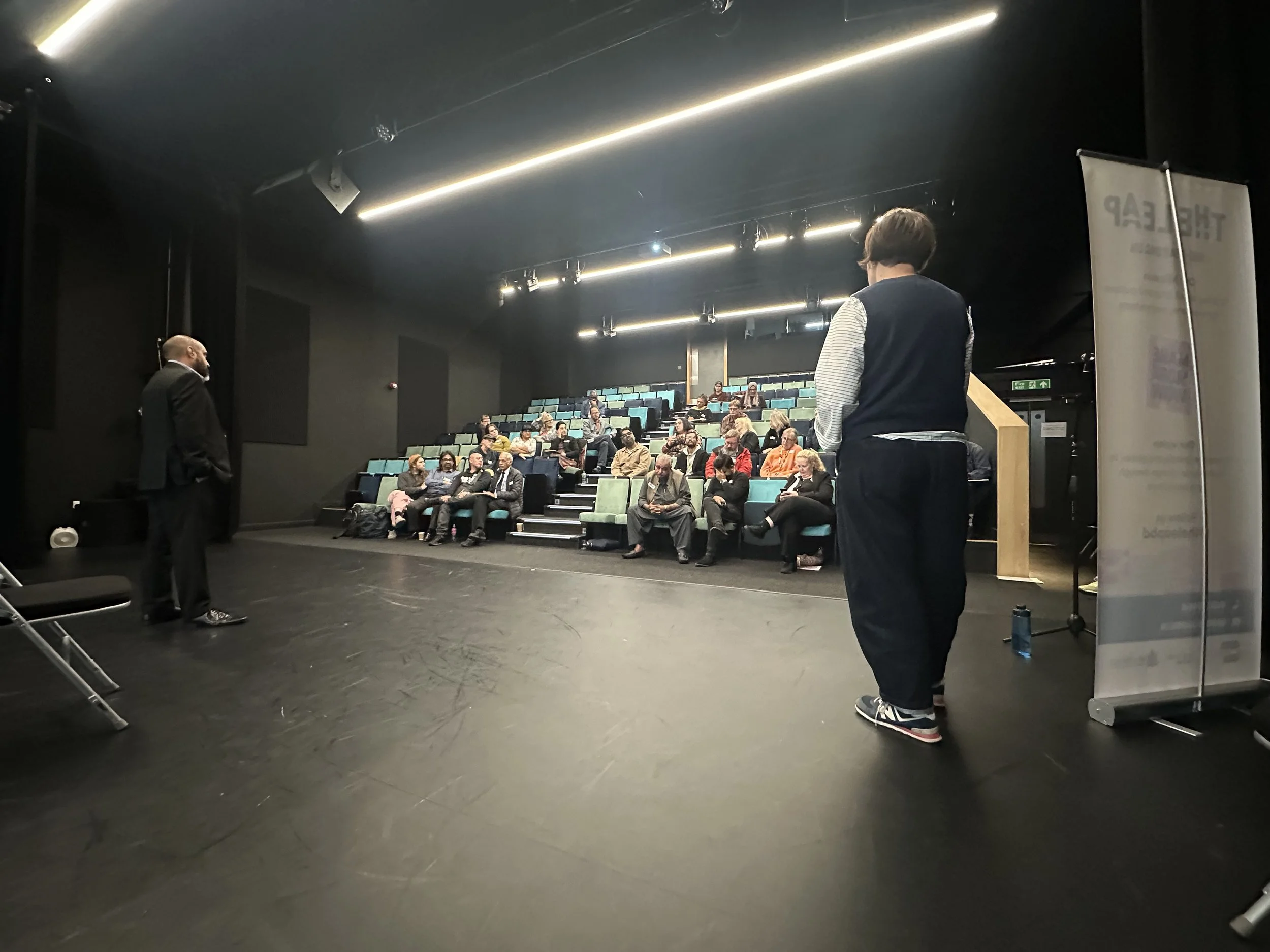
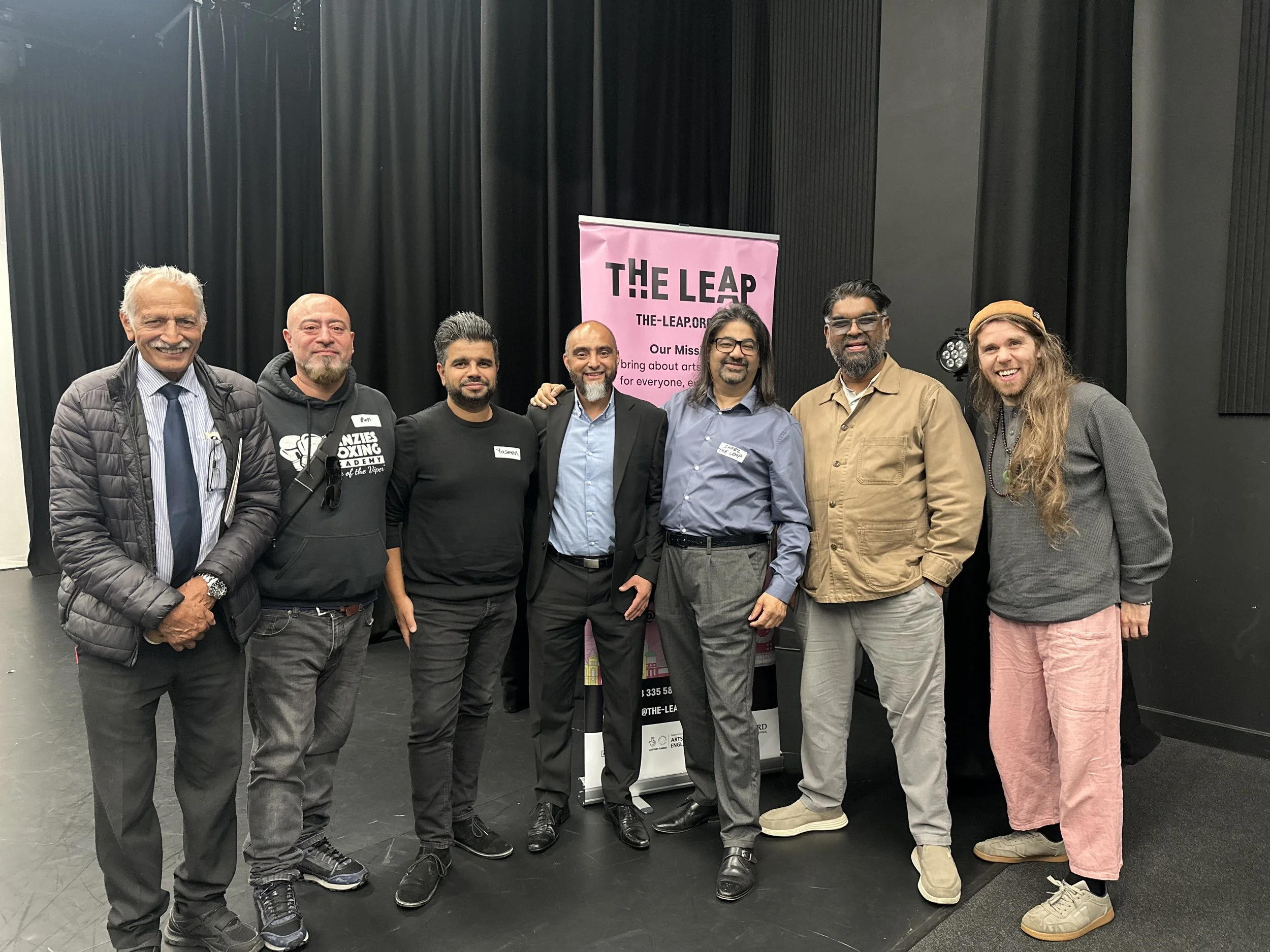
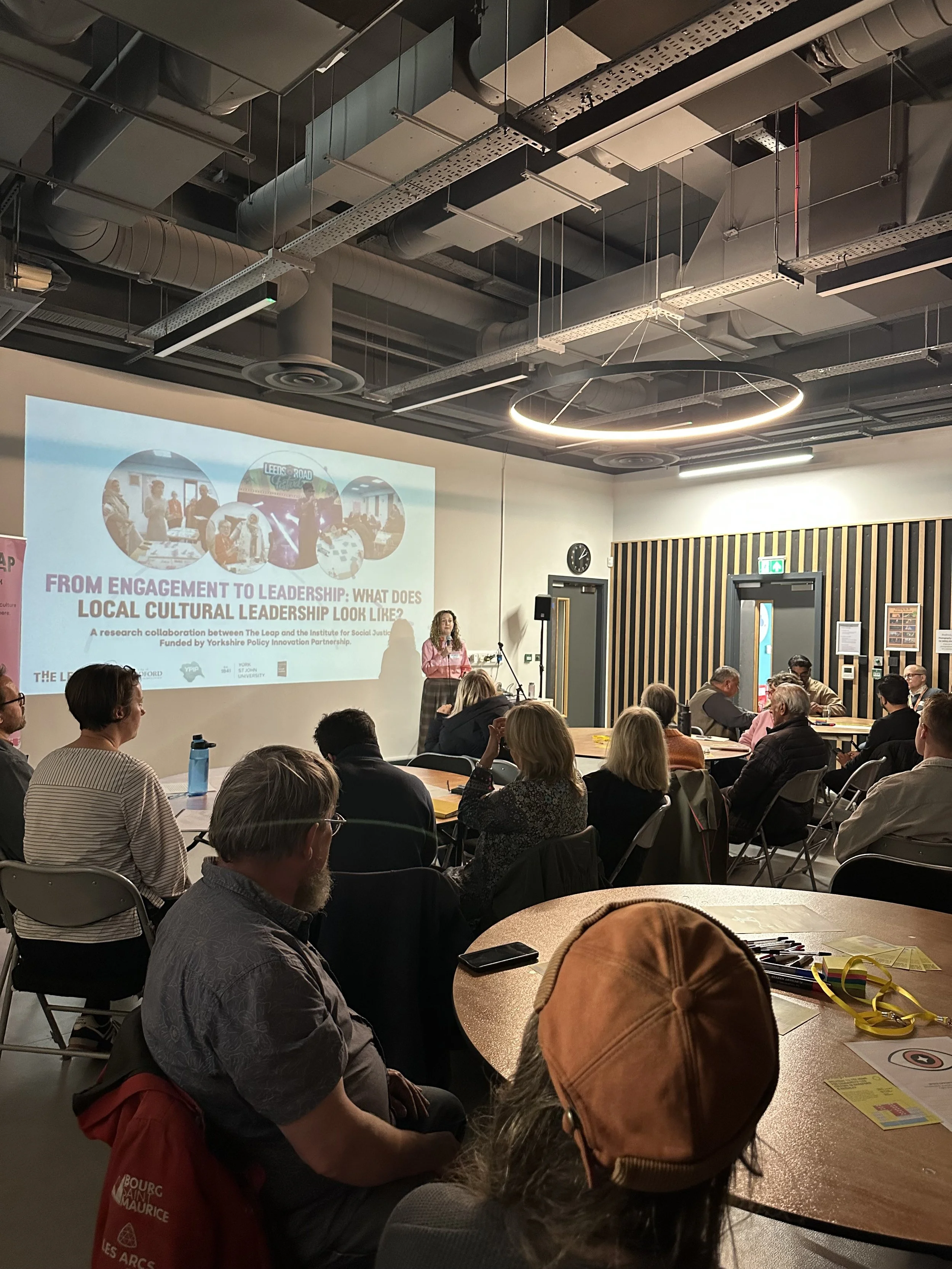
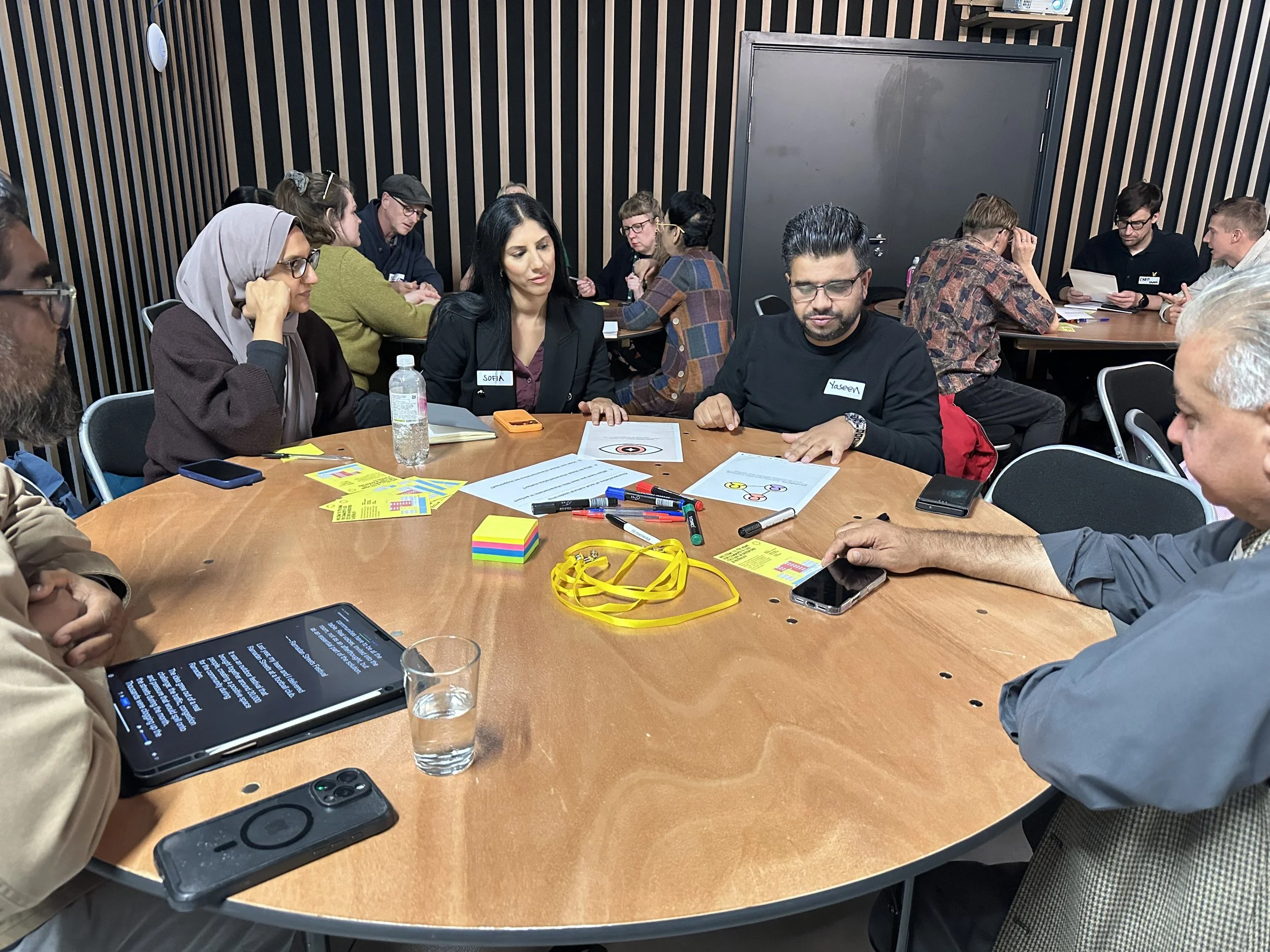
To celebrate this work Contributors, Partners and the community gathered at The Bradford Arts Centre for the official launch of our new research from the Yorkshire Policy Innovation Partnership (YPIP), York St John University, and The Leap, which was shaped through three People's Assemblies with local cultural leaders and communities.
“The Leap and York St John have delivered a great piece of work challenging assumptions about the levels of creative activity in our communities. It was great to spend the afternoon with some of the many fabulous community based cultural leaders of the Bradford District as the culmination of this research project. People driven by a deep sense of purpose, passion, and desire to unlock the stories and cultural energy of their communities. These are people whose work is rarely captured or recognised in the statistics which drive policy making or debates on the investment priorities of national and local funders of culture. I hope this work begins to change the debate about how we support culture and creativity across our nations. “
Kersten England - Chair, Bradford Culture Company, Co-Director, Yorkshire Policy Innovation Partnership
The afternoon brought together cultural leaders, communities, funders, and policy influencers for:
The launch of our new policy report and research findings
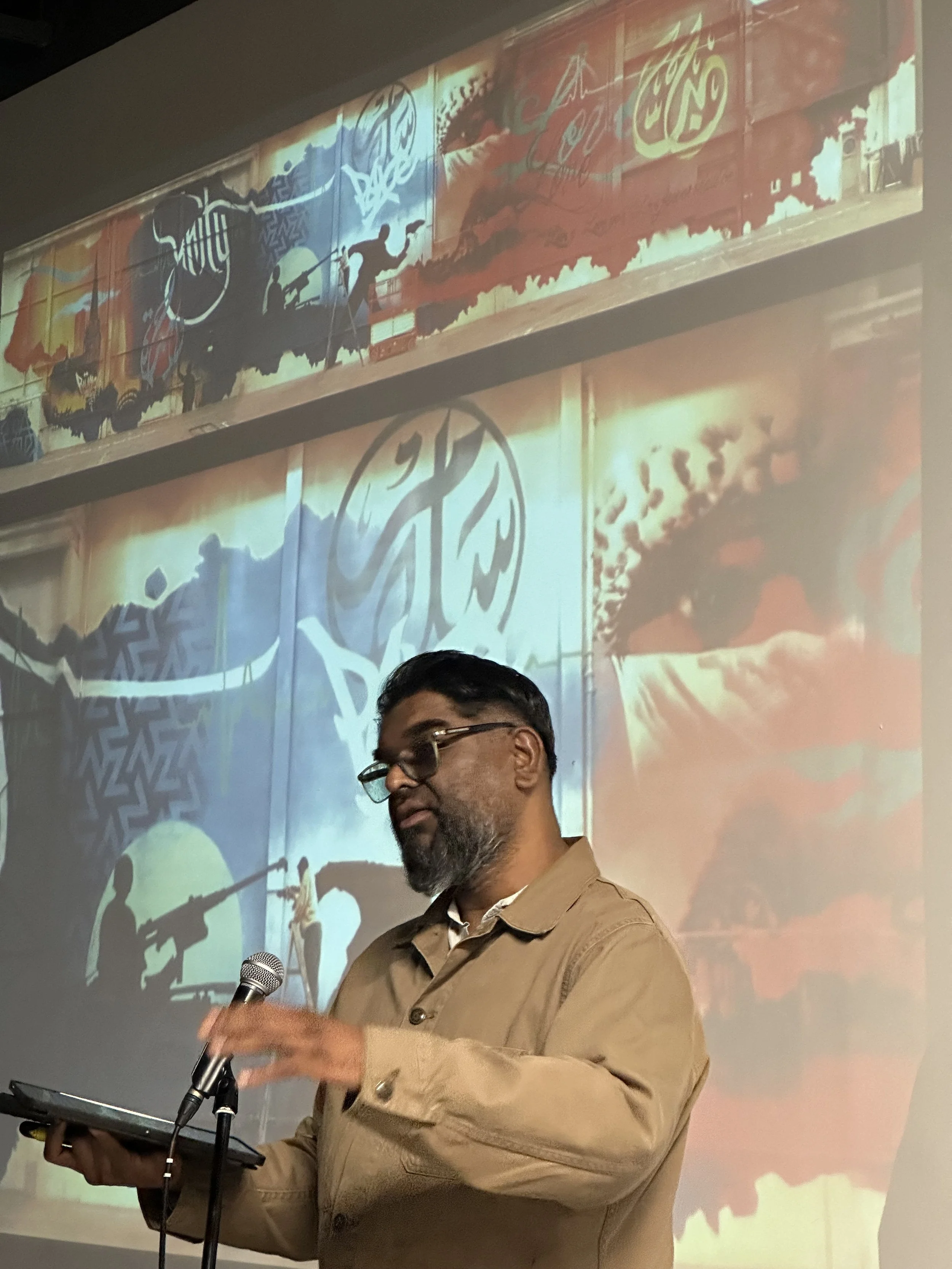
Keynote speaker Mohammed Ali Aerosol and panel discussion with local cultural leaders
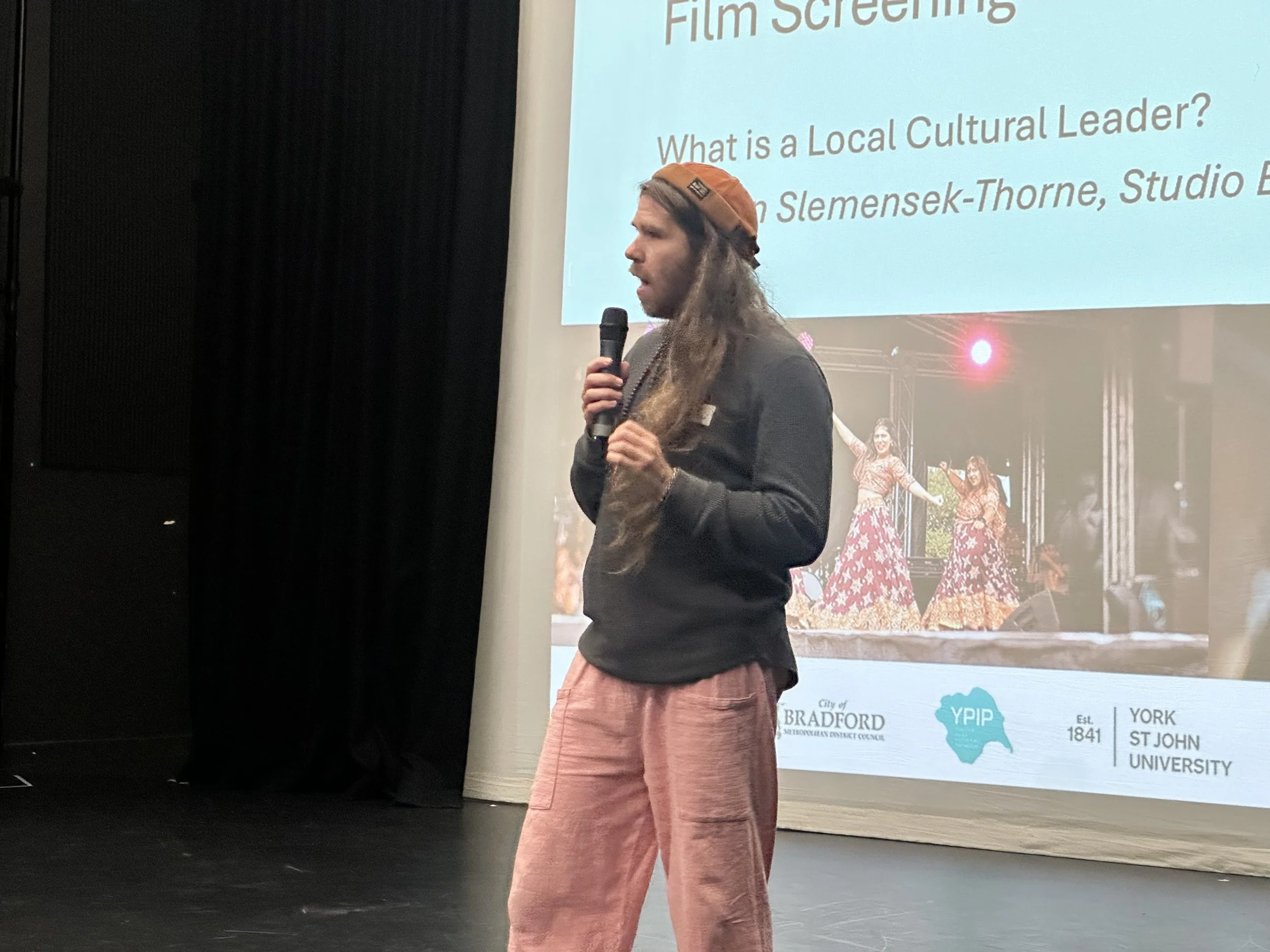
The debut of a film commission created through the project by filmmaker John Slemensek (Studio Bokehgo), which captured the authentic voices, lived experiences, and creative journeys of Bradford's changemakers
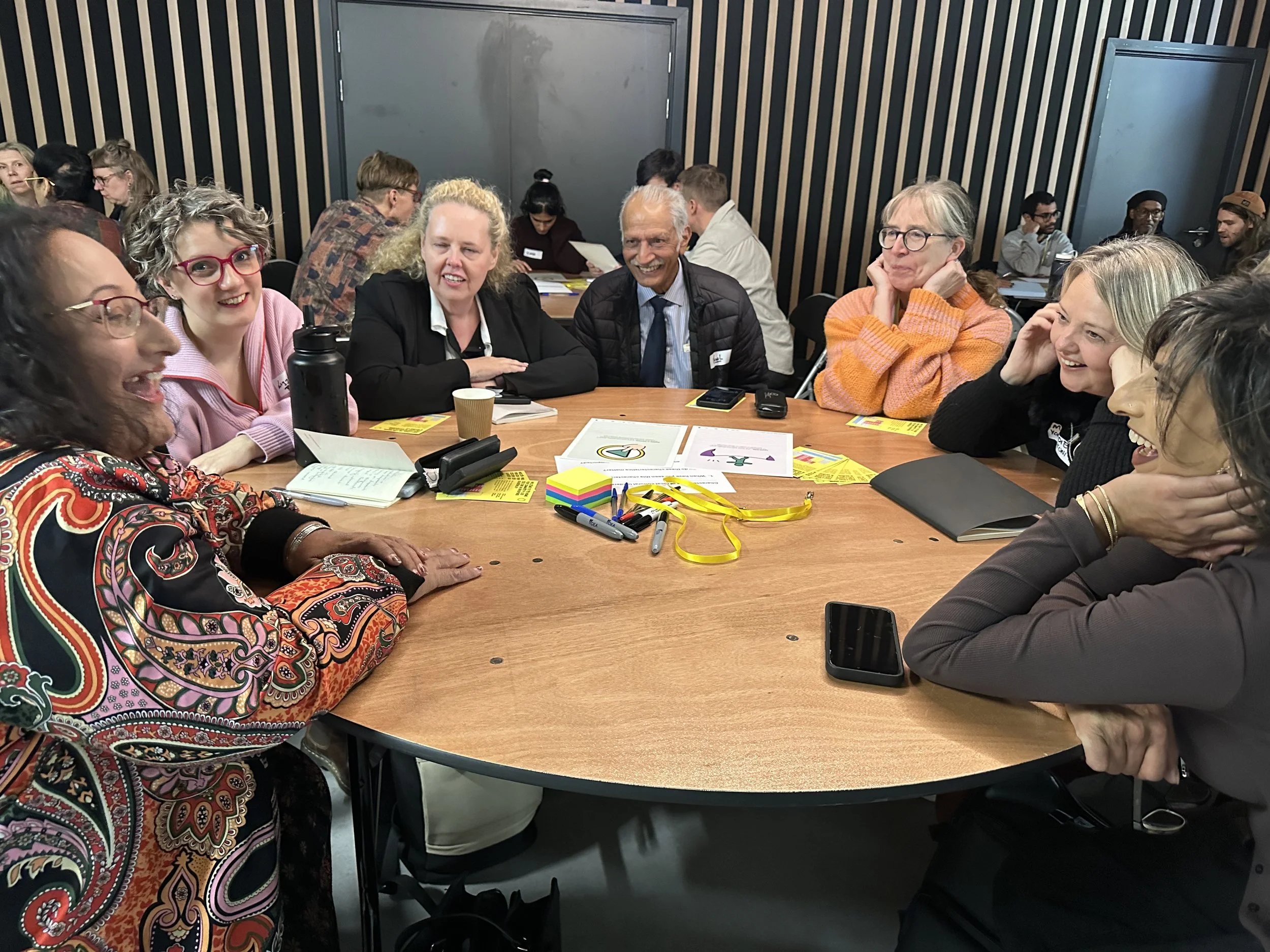
Discussions about what nurtures local leadership and what gets in its way
Conversations about what these findings mean for future cultural policy and funding
“I want to carry on doing what I’m doing and hopefully, as I train a new generation, impart some of that to them.
I think the entrepreneurial side came through as well. And sharing a space with people who are like me, being in the same room, makes me feel less lonely. I’m glad they’re out there.”
Keranjeet Kaur Virdee, CEO and AD, South Asian Arts-UK
Other speakers and contributors included:
Professor Matthew Reason – Director, Institute for Social Justice, York St John University
Zulfiqar Ahmed – Executive Director, The Leap
Osman Gondal – Director of Programmes & Operations, The Leap
Dr Clare Daněk – Independent Researcher
Vicky Clifton – Director, Heritage Connections CIC
Yaseen Mohammed & Saleem Akhtar – Co-founders of the Leeds Road Festival (Bradford)